
Automating your marketing campaigns with AI is now a game-changer for digital marketers seeking efficiency and data-driven results. In 2026, AI-powered agents and tools like Google Sheets can streamline campaign management, personalize communications, and deliver actionable insights—often with minimal manual intervention. This article explains how you can leverage AI to automate your marketing processes, with concrete examples, essential tools, and best practices.
Why Automate Marketing Campaigns with AI?
L’automatisation des campagnes marketing avec l’IA permet de gagner du temps, d’augmenter l’efficacité et d’offrir des expériences personnalisées à grande échelle. Grâce à l’intelligence artificielle, les équipes marketing peuvent se concentrer sur la stratégie plutôt que sur les tâches répétitives, ce qui impacte directement la performance des campagnes et le retour sur investissement.
Les principaux avantages de l’automatisation marketing par l’IA incluent :
- Réduction des tâches manuelles : L’IA prend en charge la segmentation, l’envoi d’emails, l’analyse de performance et même la création de contenus, réduisant jusqu’à 60% le volume d’opérations humaines selon une étude McKinsey.
- Optimisation en temps réel : Les algorithmes ajustent les campagnes (enchères publicitaires, ciblage, contenus) en continu, ce qui augmente en moyenne le ROI de 27% sur les campagnes digitales.
- Personnalisation à grande échelle : L’IA analyse les comportements utilisateurs et adapte les messages pour chaque segment, boostant l’engagement et la conversion.
En 2026, plus de 75% des entreprises adopteront l’IA dans leurs stratégies marketing (Gartner). L’intégration d’outils comme Google Sheets, couplés à des agents IA, facilite la synchronisation des données et l’automatisation des workflows. Cette démarche rend le marketing digital plus agile, prédictif et performant. Pour rester compétitif, il est aujourd’hui crucial d’explorer ces solutions et de les intégrer dans ses pratiques quotidiennes.
- Time Saved per Campaign
- 40 %
- Increase in Campaign ROI
- 27 %
- Reduction in Manual Tasks
- 60 %
- Growth in AI Marketing Adoption (2026)
- 75 %
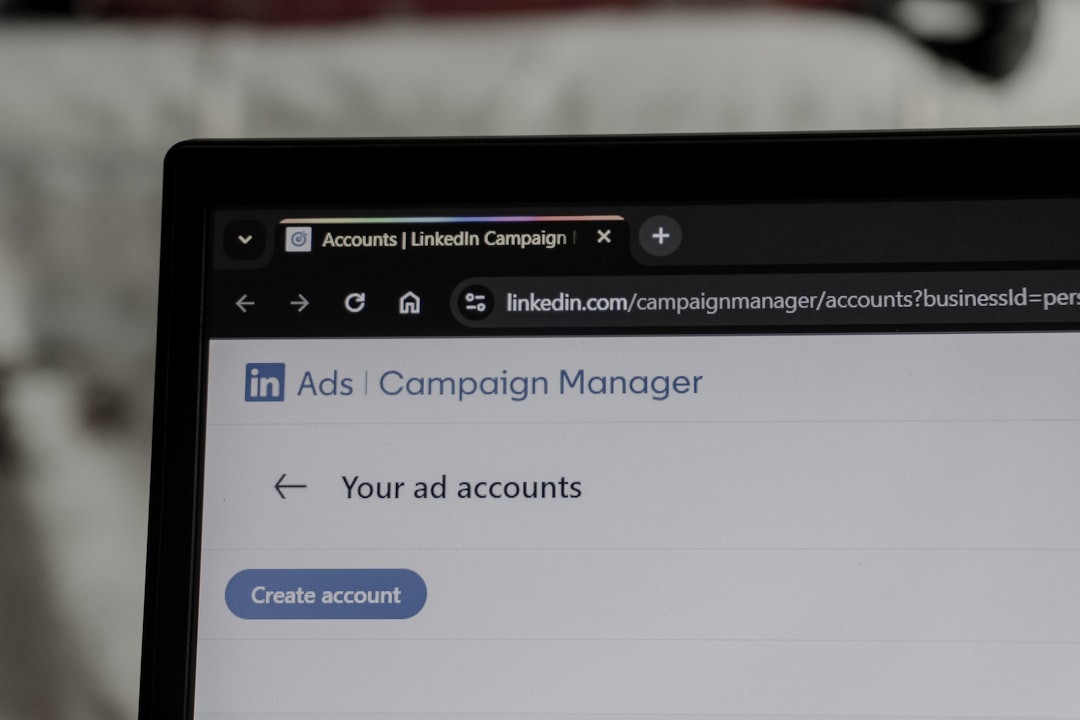
Core Components of AI Marketing Automation
Les composants essentiels de l’automatisation marketing par l’IA structurent l’ensemble du processus, de la collecte de données à la génération de rapports en passant par l’activation de campagnes. Comprendre ces briques technologiques permet de déployer une stratégie efficace et évolutive.
Voici les principaux composants à intégrer :
- Agents IA : Ils orchestrent l’automatisation des campagnes, de la planification à la personnalisation des messages. Un agent IA peut, par exemple, analyser les taux d’ouverture d’email et ajuster automatiquement l’heure d’envoi pour chaque segment.
- Intégration de données : Centraliser les informations issues de diverses plateformes marketing (emails, publicités, CRM) dans des outils comme Google Sheets ou des tableaux de bord BI permet d’alimenter l’IA avec des données fraîches et riches.
- Analytique prédictive : Grâce à l’IA, il est possible d’anticiper les résultats de campagne et de segmenter les audiences de manière granulaire, pour un ciblage ultra-efficace. Selon Forrester, 58% des marketeurs utilisant l’analytique prédictive constatent une amélioration significative de leur taux de conversion.
- Reporting automatisé : Les rapports sont générés en temps réel et partagés sur des plateformes collaboratives, ce qui accélère la prise de décision et la réactivité des équipes.
L’interconnexion de ces composants est la clé pour tirer le meilleur parti de l’automatisation marketing par l’IA, tout en assurant la transparence et la mesure continue de la performance.
- <strong>AI Agents</strong> — Automate campaign scheduling, content personalization, and insights extraction.
- <strong>Data Integration</strong> — Sync marketing platforms (email, ads, CRM) with Google Sheets or BI dashboards.
- <strong>Predictive Analytics</strong> — Forecast campaign outcomes and segment audiences for effective targeting.
- <strong>Automated Reporting</strong> — Generate real-time performance reports directly in collaborative tools.
Practical Use Cases: How AI Automates Marketing Campaigns
L’IA transforme concrètement l’automatisation marketing en prenant en charge des tâches complexes, de la segmentation à l’optimisation publicitaire. Voici comment ces applications se matérialisent dans le quotidien des équipes marketing, à travers des cas d’usage réels et mesurables.
Parmi les cas d’utilisation les plus courants :
- Email marketing automatisé : L’IA segmente automatiquement les listes selon le comportement des utilisateurs (clics, ouvertures, achats) et programme les envois au moment optimal, ce qui augmente le taux d’ouverture jusqu’à 21%.
- Optimisation des campagnes publicitaires : Les algorithmes ajustent en temps réel les enchères et les visuels en fonction des performances, réduisant le coût par acquisition et augmentant le ROI global.
- Publication sur les réseaux sociaux : L’IA choisit le meilleur moment de diffusion et personnalise chaque publication pour chaque audience, maintenant une présence constante et maximisant l’engagement (+35% selon Buffer).
- Lead scoring automatisé : Les agents IA analysent la probabilité de conversion de chaque prospect et priorisent les leads à traiter par les commerciaux, ce qui améliore le taux de transformation des équipes de 15 à 25%.
L’intégration d’outils comme Google Sheets permet de centraliser ces processus et de visualiser en temps réel les gains générés. Ces exemples illustrent la capacité de l’IA à booster l’efficacité opérationnelle tout en offrant des expériences client personnalisées et mesurables.
| Use Case | AI Automation | Business Value |
|---|---|---|
| Email Campaigns | AI segments lists and schedules sends | Improved open rates, less manual work |
| Ad Campaign Optimization | AI adjusts bids and creatives in real-time | Better ROI, reduced ad spend |
| Social Media Posting | AI schedules and personalizes content | Consistent presence, increased engagement |
| Lead Scoring | AI evaluates and prioritizes leads | Sales focus on high-converting prospects |
AI-driven marketing automation lets our team focus on creativity and strategy, while routine execution happens seamlessly in the background.
— Sophie Martin, Digital Marketing Director
How to Get Started: Tools and Integration Tips
Getting started with AI-powered marketing automation requires selecting the right tools and planning seamless integrations. For digital marketers, leveraging platforms like Google Sheets, Zapier, and specialized AI marketing suites can drive efficiency and measurable results from day one.
Begin by identifying your most repetitive or time-consuming workflows—such as email segmentation, lead scoring, or social media scheduling. AI tools excel at automating these areas, freeing up valuable time for strategy and creativity. Here’s a streamlined approach to implementation:
- Map Your Processes — List current marketing tasks, highlighting those most suited for automation (e.g., data entry, report generation, A/B testing).
- Select Your Tools — Evaluate platforms like Google Sheets for data management, Zapier for workflow automation, and AI-driven CRMs such as HubSpot or Salesforce Einstein.
- Integrate with Existing Systems — Use APIs and native connectors to link your CRM, email platform, and analytics tools with AI agents. For example, Google Sheets can serve as a live dashboard, updating campaign KPIs via AI-powered scripts.
- Test and Monitor — Run pilot automations on a small scale. Measure time saved (often up to 30% in manual workload) and track campaign uplift (studies show AI can increase email open rates by 15–25%).
Best practices include starting with clear objectives, ensuring data quality, and providing human oversight during initial deployments. As your confidence grows, scale up to more complex automations—such as predictive content recommendations or dynamic budget optimizations—maximizing both efficiency and ROI.
Challenges and Best Practices for AI-Driven Campaign Automation
AI-driven campaign automation offers transformative potential, but it also introduces challenges that require strategic management. Ensuring data quality, maintaining human oversight, and adhering to compliance frameworks are essential for sustainable success.
Recent studies reveal that up to 68% of marketing leaders cite data integrity as their top concern when deploying AI tools. Quality data forms the backbone of effective automation—poor inputs can lead to misaligned targeting, budget wastage, and reputational risks. Additionally, as AI agents handle more tasks autonomously, periodic human review is critical to detect bias and errors, especially in customer-facing communications.
- Complexity of Integration — Integrating AI tools with legacy marketing platforms can be technically challenging. Prioritize solutions with robust API support and clear documentation.
- Skill Gaps — 40% of marketers report lacking AI expertise internally. Invest in training or partner with AI specialists for smooth onboarding and optimization.
- Regulatory Compliance — With GDPR and CCPA governing personal data, ensure all AI-driven automations respect privacy standards. Failure to comply can result in hefty fines (up to €20 million or 4% of global turnover under GDPR).
Adopting a continuous learning mindset is vital: regularly update algorithms with fresh data and feedback from ongoing campaigns. Combining these best practices not only mitigates risk but also unlocks the full potential of AI in your marketing automation strategy. For more advice, check our guide on AI compliance in marketing.
- <strong>Data Quality</strong> — Ensure reliable datasets for accurate AI predictions.
- <strong>Human Oversight</strong> — Regularly review automated outputs to avoid errors or bias.
- <strong>Compliance</strong> — Follow GDPR and privacy guidelines for automated customer interactions.
- <strong>Continuous Learning</strong> — Update AI models with new data and campaign outcomes.
Future Trends: What’s Next for AI in Marketing Automation?
The future of AI in marketing automation is poised for exponential growth, with autonomous agents and hyper-personalized campaigns becoming the norm. By 2026, industry forecasts predict that over 70% of marketing teams will deploy AI-driven workflows for campaign management, fundamentally changing how brands engage with audiences.
Emerging trends include the rise of generative AI content creation, real-time audience segmentation, and predictive analytics. These advancements will allow marketers to launch, optimize, and scale campaigns with minimal manual intervention. According to Gartner, by 2027, AI agents are expected to orchestrate end-to-end campaigns—handling everything from creative generation to budget allocation autonomously.
- Voice and Conversational AI — Voice search and chatbots will enable seamless customer journeys, with AI handling up to 80% of queries instantly.
- Cross-Channel Automation — AI will synchronize email, social, SMS, and paid media, ensuring consistent messaging and optimal timing.
- Ethical AI and Transparency — As automation advances, transparent algorithms and explainable AI will become critical for brand trust and regulatory compliance.
To stay ahead, marketers should monitor these trends, invest in scalable AI infrastructure, and foster a culture of agility and experimentation. Explore more about future-proofing your marketing stack in our related resources.
- Widespread AI Agent Adoption — Majority of marketing teams deploy AI-driven workflows for campaign management.
- Autonomous Campaigns — AI agents orchestrate end-to-end campaigns with minimal human input.
- What is AI marketing automation?
- AI marketing automation uses artificial intelligence to manage, optimize, and personalize marketing campaigns with minimal manual intervention.
- Which tools can automate marketing campaigns with AI?
- Popular tools include Google Sheets (with AI plugins), Zapier, HubSpot, and custom AI agents to automate tasks across platforms.
- How does Google Sheets support AI-powered marketing automation?
- Google Sheets integrates with AI tools and APIs to centralize data, trigger workflows, and generate reports automatically.
- Is AI marketing automation suitable for small businesses?
- Yes, AI tools are increasingly accessible and help small businesses save time, reduce costs, and compete effectively.
- What are common pitfalls of AI campaign automation?
- Issues include poor data quality, lack of human oversight, and compliance risks; regular audits and best practices are essential.