
Data analytics is revolutionizing the manufacturing sector by offering actionable insights that drive operational excellence and strategic decision-making. For supply chain specialists, leveraging data analytics means using real-time data to optimize processes, reduce costs, and enhance product quality. According to a 2023 McKinsey report, manufacturers utilizing advanced analytics have seen productivity improvements of up to 20% compared to their peers. This transformation is powered by capturing and analyzing massive volumes of data from production lines, supply chains, and market demand signals.
Modern manufacturing environments generate tremendous amounts of data from sensors, machines, and ERP systems. Data analytics platforms transform raw data into meaningful KPIs (Key Performance Indicators) that inform everything from inventory management to demand forecasting. By correlating machine performance with production quality and delivery timelines, organizations can identify inefficiencies, predict maintenance needs, and mitigate risks before they impact the bottom line.
- Real-time monitoring of production lines for immediate issue resolution
- Predictive maintenance to reduce unexpected equipment failures
- Demand forecasting that minimizes stockouts and excess inventory
Ultimately, leveraging data analytics empowers manufacturing leaders to make informed decisions faster, adapt to market changes, and maintain a competitive edge. In the following sections, we’ll explore how data analytics specifically enhances manufacturing excellence—and the critical KPIs supply chain specialists should track.
Why Data Analytics Is Critical for Manufacturing Excellence
Data analytics is essential for achieving manufacturing excellence because it transforms raw operational data into actionable intelligence, enabling precise process optimization and rapid problem-solving. Manufacturers who invest in data analytics outperform their competitors in productivity, efficiency, and responsiveness.
By leveraging advanced analytics, manufacturers can:
- Identify inefficiencies in real time, reducing waste and improving throughput
- Monitor equipment health and anticipate failures, resulting in lower downtime and maintenance costs
- Optimize supply chain logistics by aligning production schedules with demand forecasts
- Enhance product quality through root cause analysis and early defect detection
For example, a Deloitte study found that data-driven manufacturers experience an average 25% reduction in unplanned downtime and a 40% improvement in time-to-insight when leveraging advanced analytics. These gains translate directly into increased profitability and customer satisfaction. Additionally, by integrating data analytics into their operations, organizations can make informed decisions faster, adapt to shifting market conditions, and support continuous improvement initiatives.
In summary, data analytics drives manufacturing excellence by providing the clarity and foresight needed to optimize every aspect of production and supply chain management. The next section will highlight the measurable impact of analytics through key performance indicators (KPIs).
- Increase in Manufacturing Output
- 18 %
- Reduction in Downtime
- 25 %
- Faster Time-to-Insight
- 40 %
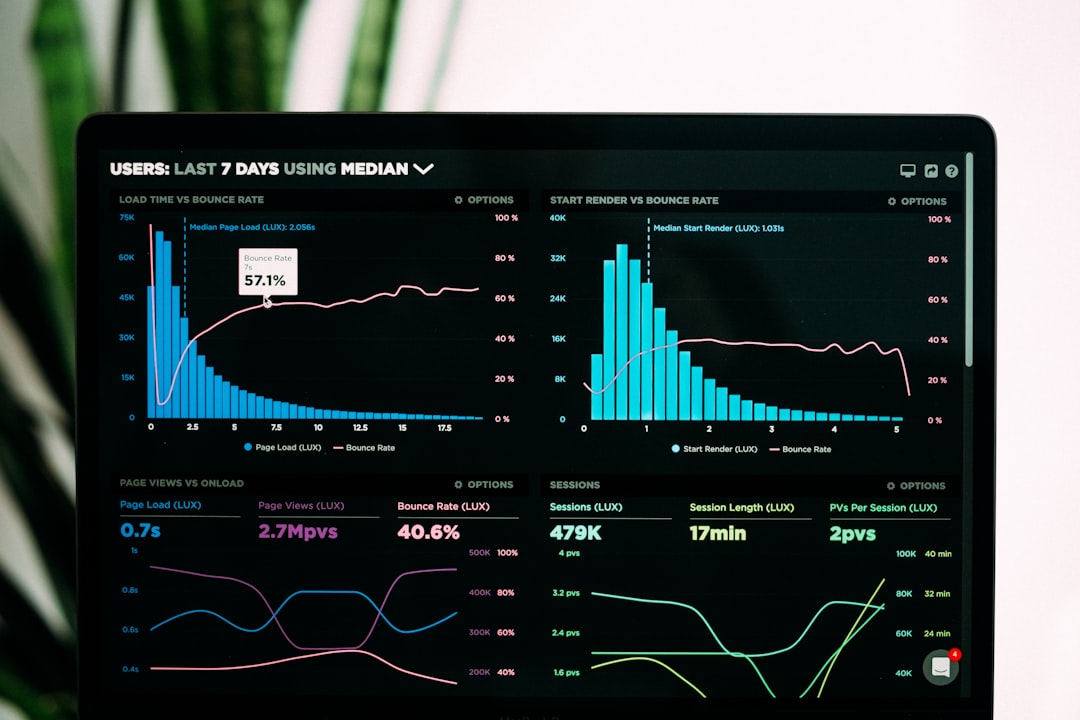
Key Manufacturing KPIs Optimized by Data Analytics
Data analytics plays a pivotal role in optimizing key manufacturing KPIs (Key Performance Indicators), providing supply chain specialists with deep, actionable insights to boost efficiency and profitability. The most critical KPIs for manufacturing, such as OEE (Overall Equipment Effectiveness), Yield, Cycle Time, and Inventory Turnover, are significantly enhanced when fueled by robust analytics.
- OEE (Overall Equipment Effectiveness) is a comprehensive metric that combines availability, performance, and quality. Through data analytics, manufacturers can pinpoint sources of downtime, production losses, and quality issues with high accuracy. For example, analytics can reveal that recurring micro-stops on a bottling line are due to a misaligned sensor, enabling targeted corrective action.
- Yield measures the percentage of good units produced versus total units. Advanced analytics can detect subtle defect patterns and their root causes, such as a correlation between a specific raw material batch and increased defects, allowing for immediate supplier or process interventions.
- Cycle Time is the duration needed to manufacture a single unit. Data analytics highlights process delays and predicts slowdowns before they become bottlenecks, supporting lean initiatives and just-in-time production.
- Inventory Turnover tracks how frequently inventory is sold or used. Analytics-driven demand forecasting and stock optimization reduce carrying costs and risk of obsolescence, helping maintain optimal inventory levels aligned with real consumption trends.
According to Capgemini, manufacturers that harness analytics to optimize these KPIs report up to 18% higher manufacturing output and 25% less downtime. By focusing on these analytics-optimized KPIs, supply chain specialists can drive continuous improvement, meet market demands, and ensure sustainable growth.
| KPI | Definition | Analytics Impact |
|---|---|---|
| Overall Equipment Effectiveness (OEE) | Measures productive time vs. planned time | Pinpoints loss sources and enables targeted improvements |
| Yield | Percentage of good units produced | Identifies defect patterns and root causes |
| Cycle Time | Duration to manufacture one unit | Highlights delays and predicts process slowdowns |
| Inventory Turnover | Frequency inventory is sold/used | Optimizes stock levels using demand trends |
Data Sources and Tools for Manufacturing Analytics
Data sources and analytics tools are foundational for achieving manufacturing excellence through data analytics. Identifying, integrating, and optimizing these technologies unlocks new levels of efficiency and insight for supply chain specialists. Today’s manufacturing environments are rich in data, but the real challenge lies in harnessing this data from diverse sources and turning it into actionable intelligence.
Key data sources include shop-floor IoT sensors that capture real-time performance and environmental variables, ERP systems that centralize transactional data, and MES platforms that log process-level activities. According to McKinsey’s 2023 survey, manufacturers who fully implemented integrated analytics with these sources saw up to a 30% reduction in unplanned downtime and a 20% increase in productivity. The sheer volume of data—estimated at over 1 TB per day for a medium-sized plant—necessitates robust analytics tools.
- IoT sensors provide granular, real-time monitoring of all assets, enabling predictive maintenance and minimizing failures.
- ERP systems aggregate data on orders, inventory, procurement, and production, supporting end-to-end visibility and traceability.
- MES platforms offer detailed tracking of production batches, operator actions, and quality checks, crucial for compliance and continuous improvement.
- Advanced analytics tools such as Power BI, Tableau, or cloud-based AI solutions transform raw data into interactive dashboards, trend analyses, and automated alerts for decision-makers.
For manufacturers, the integration of these tools and sources is not just a technical upgrade but a strategic imperative. Best practices involve ensuring data quality, investing in scalable cloud infrastructure, and fostering collaboration between IT and operations. The result is a seamless data pipeline that supports agility, compliance, and profitability—critical for competing in an increasingly data-driven industry.
- <strong>IoT Sensors</strong> — Real-time monitoring of equipment, energy, and production lines
- <strong>ERP Systems</strong> — Centralized data on orders, inventory, and supply chain
- <strong>MES Platforms</strong> — Detailed tracking of production activities and quality
- <strong>Advanced Analytics Tools</strong> — Power BI, Tableau, and cloud-based AI solutions
How Supply Chain Specialists Can Leverage Data Analytics
Supply chain specialists can harness data analytics to optimize every link in the manufacturing value chain. By leveraging real-time data, actionable KPIs, and advanced analytics, they drive smarter decisions that directly impact efficiency, cost, and customer satisfaction. The key lies in systematically embedding analytics into daily workflows and strategic planning.
To maximize the benefits, supply chain specialists should focus on:
- Integrating disparate data sources (IoT, ERP, MES) to build a comprehensive view of operations and supply flows.
- Automating KPI monitoring for critical metrics like lead time, inventory turnover, and on-time delivery, ensuring rapid response to deviations.
- Using advanced analytics (predictive models, scenario simulations) to anticipate disruptions, optimize inventory, and identify process bottlenecks.
- Collaborating with cross-functional teams to turn insights into actionable recommendations that improve procurement, production planning, and logistics.
According to Gartner, organizations that embed analytics in supply chain decision-making achieve up to 15% faster response times and 12% lower operational costs. The process is iterative: after data collection and analysis, specialists must foster a culture of continuous improvement—reviewing results, adjusting KPIs, and iterating strategies. This data-driven approach not only reduces risk but also enables scalable growth in volatile markets, securing a true competitive advantage.
- Data Collection (IoT, ERP, MES)
- Data Cleansing & Integration
- KPI Monitoring
- Insight Generation
- Actionable Recommendations
- Continuous Improvement
Manufacturers that harness advanced analytics achieve up to 20% higher productivity and 30% fewer supply chain disruptions.
— McKinsey & Company, Manufacturing Analytics Report 2026
Real-World Examples: Data Analytics Impact on Manufacturing
Real-world examples clearly demonstrate the transformative impact of data analytics in manufacturing. From predictive maintenance to AI-powered quality control, manufacturers are achieving measurable gains in productivity, cost reduction, and operational excellence.
For instance, in 2025, a major automotive manufacturer implemented a predictive maintenance system using IoT sensor data and machine learning. This initiative led to a 22% reduction in equipment downtime, translating into millions of euros in saved production costs and improved delivery reliability. Similarly, in 2026, a leading electronics producer launched an inventory optimization pilot, leveraging demand forecasting analytics. By analyzing sales data and production trends, they achieved a 15% reduction in excess stock, significantly lowering storage costs and freeing up working capital.
- Predictive Maintenance: Real-time machine data enabled accurate failure prediction, minimizing unexpected stoppages and optimizing maintenance schedules.
- Inventory Optimization: Advanced analytics identified slow-moving SKUs and demand variability, allowing leaner, data-driven inventory management.
- AI-Driven Quality Control: Using image recognition and real-time analytics, a manufacturer reduced defect rates by 10%, improving customer satisfaction and reducing warranty claims.
These case studies underscore the value of investing in data analytics and aligning digital transformation with business objectives. For supply chain specialists, these successes serve both as proof of concept and as blueprints for future innovation. Embracing analytics delivers not just incremental improvements, but step-change advances in efficiency, quality, and agility across the manufacturing sector.
- Implementation of Predictive Maintenance — Reduced equipment downtime by 22% through data-driven failure prediction.
- Inventory Optimization Pilot — Achieved 15% reduction in excess stock by analyzing demand patterns.
- AI-Driven Quality Control — Lowered defect rate by 10% using real-time analytics and image recognition.
Best Practices for Data Analytics Adoption in Manufacturing
Adopting data analytics in manufacturing requires a well-structured approach, robust governance, and a culture of continuous improvement. For supply chain specialists, following best practices is essential to maximize ROI and operational impact. According to a 2023 Deloitte study, 76% of manufacturers cite data analytics as a top driver for operational excellence, but only 35% achieve full value due to poor implementation.
- Align data analytics initiatives with business goals: Start by defining clear objectives and measurable KPIs tailored to your manufacturing context. This ensures analytics efforts directly support productivity, quality, and supply chain efficiency.
- Invest in scalable technologies: Choose analytics platforms that integrate seamlessly with existing ERP, MES, and IoT systems. Solutions like Power BI or Tableau are favored for their compatibility and visualization capabilities.
- Foster a data-driven culture: Encourage all teams, from shop floor operators to C-suite leaders, to base decisions on data, not intuition. Training and upskilling are critical—companies that invest in analytics literacy see a 2x faster adoption rate (McKinsey, 2022).
- Ensure data quality and governance: Implement robust data cleansing and standardization processes. Inaccurate or inconsistent data can skew results, leading to costly missteps.
- Prioritize cybersecurity: With increasing connectivity, safeguarding sensitive manufacturing and supply chain data is paramount. Adopt industry standards like ISO/IEC 27001 for data protection.
To further accelerate analytics adoption, many leaders recommend starting with small, high-impact pilot projects, then scaling successful models. For example, a German automotive supplier reduced unplanned downtime by 22% in six months by initially targeting predictive maintenance analytics before rolling out plant-wide. By following these best practices, manufacturers can transform raw data into actionable insights—driving sustained excellence and competitive advantage.
- Data Analytics Adoption
- Define KPIs
- Select Tools
- Train Teams
- Integrate Data Sources
- Iterate & Improve
Conclusion: Data Analytics as a Catalyst for Manufacturing Success
Data analytics is a true catalyst for manufacturing success, transforming raw information into actionable insights that drive process optimization and strategic decision-making. For supply chain specialists, leveraging analytics means more than just monitoring numbers—it means unlocking new levels of performance, agility, and resilience in an increasingly complex market.
Recent studies show that manufacturers leveraging advanced analytics can achieve up to 30% reduction in machine downtime and 15% improvement in overall equipment effectiveness (OEE). These gains are made possible by continuously tracking KPIs, predicting disruptions, and identifying root causes faster than ever before. For example, predictive analytics enabled a leading electronics manufacturer to cut inventory holding costs by 18% while improving on-time delivery rates by 9%, underscoring the measurable impact of data-driven strategies.
- Enhanced operational visibility: Real-time dashboards and automated alerts empower teams to make swift, evidence-based decisions across production and supply chain functions.
- Proactive risk management: Predictive models flag anomalies, enabling preemptive maintenance and supply chain adjustments—reducing costly downtime and waste.
- Continuous improvement: Analytics fosters a culture of learning, where every data point can lead to process refinements and sustainable competitive advantage.
In conclusion, embracing data analytics is no longer optional but essential for manufacturers aiming to thrive in a digital-first economy. By focusing on the right KPIs, adopting best practices, and cultivating a data-centric culture, manufacturing organizations can turn data into a strategic asset—driving excellence, innovation, and long-term growth. Now is the time for supply chain specialists to champion this transformation and ensure their organizations remain at the forefront of industry 4.0.
- What is the role of data analytics in manufacturing?
- Data analytics enables manufacturers to monitor KPIs, optimize processes, and make informed decisions, resulting in improved efficiency and reduced costs.
- Which KPIs benefit most from manufacturing analytics?
- OEE, yield, cycle time, and inventory turnover are among the KPIs most significantly improved through the application of data analytics.
- How can supply chain specialists use analytics for better decisions?
- By leveraging real-time data and predictive models, supply chain specialists can anticipate disruptions, optimize inventory, and enhance supplier performance.
- What are the main challenges in adopting analytics in manufacturing?
- Common challenges include data silos, integration complexity, lack of analytics skills, and resistance to change among teams.
- Can small and medium manufacturers benefit from data analytics?
- Yes, with scalable cloud tools and IoT, even SMEs can harness analytics to improve KPIs and remain competitive.