
Robotics are revolutionizing modern manufacturing plants by automating processes, boosting efficiency, and enabling new levels of precision and flexibility. For manufacturing decision makers, understanding the integration and impact of robotics is crucial for maintaining competitiveness in a rapidly evolving industry landscape.
In today’s global economy, manufacturing faces mounting pressure to reduce costs, improve quality, and accelerate production cycles. Robotic automation addresses these challenges by taking over repetitive, hazardous, and high-precision tasks, allowing human workers to focus on complex problem-solving and oversight. According to the International Federation of Robotics (IFR), robot density in manufacturing has nearly doubled over the past decade, with over 3 million industrial robots operating worldwide as of 2022.
Implementing robotics not only enhances operational efficiency but also unlocks data-driven process optimization.
- Enhanced Productivity: Robots can operate 24/7, leading to higher output and reduced downtime.
- Improved Safety: Automation reduces workplace injuries by taking on dangerous tasks.
- Consistent Quality: High-precision robotics minimize defects and variation.
The Rise of Robotics in Manufacturing Plants
The adoption of robotics in manufacturing plants is accelerating, driven by technological advancements and the need for greater automation. Over the past decade, robotics have shifted from specialized use in automotive production to widespread deployment across diverse manufacturing sectors, including electronics, pharmaceuticals, and consumer goods.
Several factors have catalyzed this rapid growth.
- Technological Innovation: Advances in AI, machine vision, and sensor technologies have made robots smarter, safer, and more adaptable to complex tasks.
- Cost Efficiency: The average cost of industrial robots has dropped by approximately 50% since 2010, making automation accessible to mid-sized and even small manufacturers.
- Labor Market Pressures: With skilled labor shortages and rising wage costs, manufacturers are turning to automation to maintain production levels and quality.
As robotics become more commonplace, they are not only replacing repetitive manual tasks but also enabling new applications such as predictive maintenance and real-time quality control. This evolution signals a paradigm shift in how products are designed, assembled, and delivered, making robotics a cornerstone of the future factory.
- Global Robotics Market Growth (2026)
- 11.4 % CAGR
- Manufacturing Plants Using Robotics
- 72 %
- Productivity Boost via Robotics
- 30 %
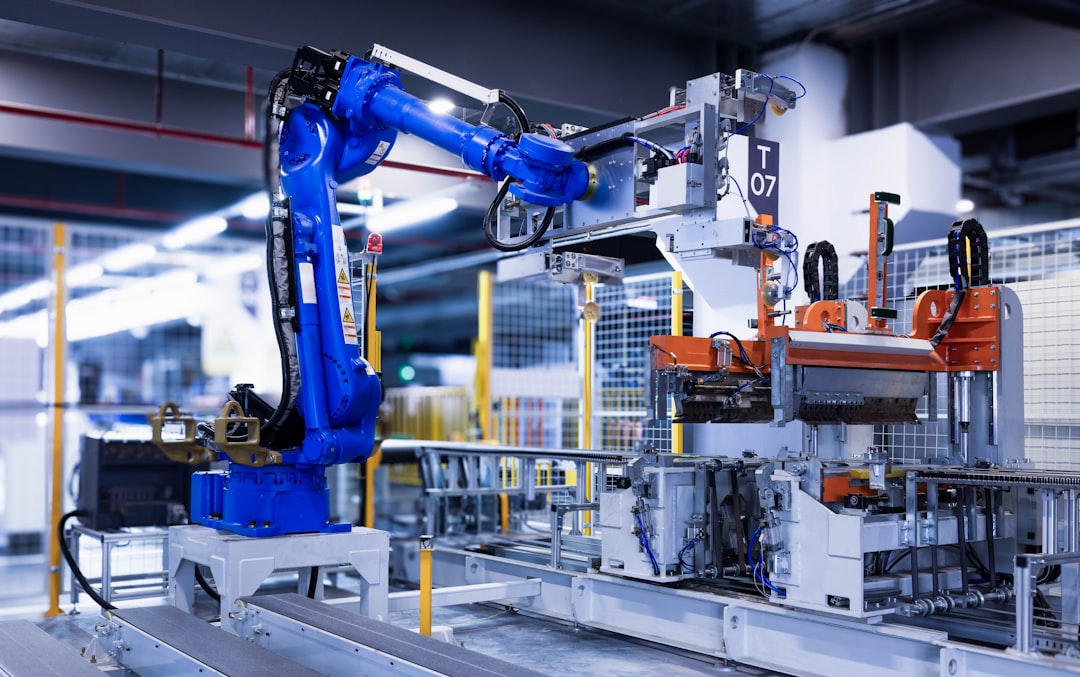
Core Applications of Robotics in Manufacturing
Robotics are reshaping the core functions within modern manufacturing plants by enabling automation throughout the entire production process. Robots are no longer limited to isolated cells—they are now integrated across multiple stages, driving efficiency and innovation.
Key applications of robotics in manufacturing include:
- Assembly Automation: Robots excel at repetitive assembly tasks, delivering a consistent quality output and significantly reducing cycle times. For instance, leading automotive plants achieve up to 30% faster assembly with robotic lines compared to manual methods.
- Material Handling: Automated guided vehicles (AGVs) and advanced robotic arms streamline the flow of raw materials and finished goods, reducing manual handling errors and improving plant logistics. Some facilities have reported up to 40% reduction in internal transport costs after adopting AGVs.
- Quality Inspection: Vision systems and AI-enabled robots perform real-time defect detection, ensuring every product meets stringent quality standards without slowing down production. The implementation of robotic inspection systems has decreased defect rates by up to 25% in high-volume electronics manufacturing.
- <strong>Assembly Automation</strong> — Robots perform repetitive assembly tasks with high precision, improving quality and speed.
- <strong>Material Handling</strong> — Automated guided vehicles (AGVs) and robotic arms streamline logistics inside plants.
- <strong>Quality Inspection</strong> — Vision systems and AI-powered robots ensure consistent product quality through real-time defect detection.
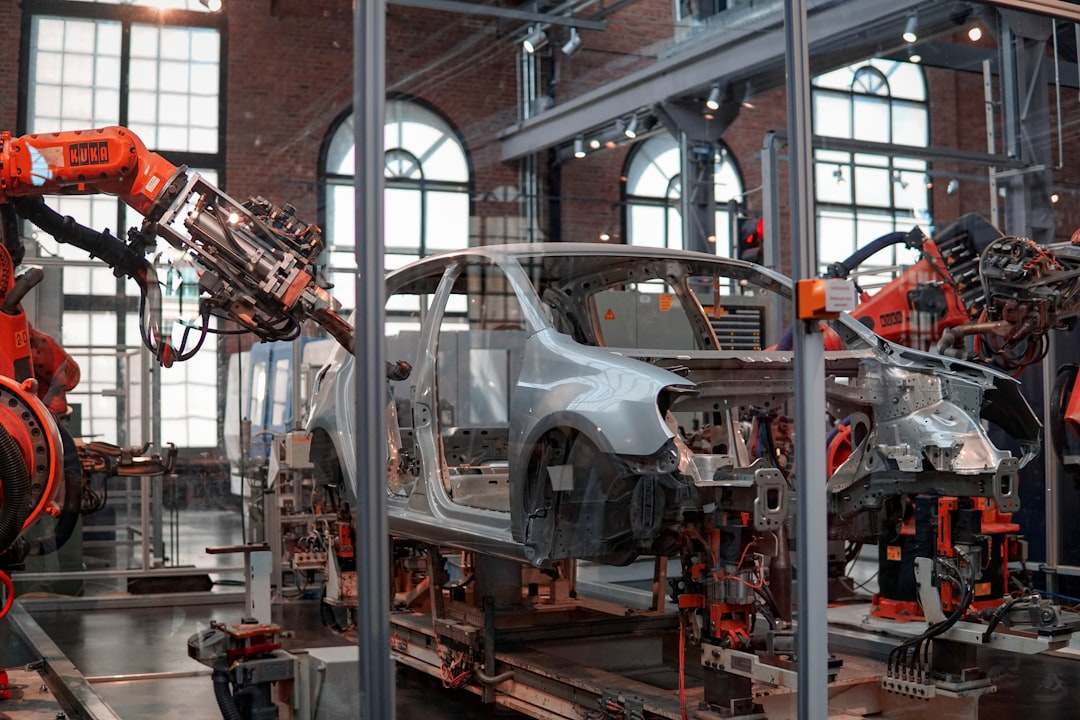
| Robotics Application | Traditional Process | Robotic Process |
|---|---|---|
| Assembly | Manual labor, higher error rate | Automated, high precision, consistent |
| Material Handling | Forklifts, manual transport | AGVs, robotic arms, reduced risk |
| Inspection | Random sampling, human inspectors | 100% inspection, AI vision systems |
Benefits and Challenges of Robotics Adoption
Robotics adoption in manufacturing plants delivers significant efficiency gains but also presents operational challenges that decision makers must address. In 2023, over 3.5 million industrial robots were estimated to be in use worldwide, signaling a transformative shift in how goods are produced. The integration of robotics enables repetitive and hazardous tasks to be automated, reducing workplace injuries and enhancing product consistency. However, robotics adoption involves both upfront capital investment and organizational change management.
- Productivity Gains: According to the International Federation of Robotics, factories that integrate robotics experience up to a 30% increase in output due to reduced downtime and higher precision.
- Cost Efficiency: While initial robot installation can cost between $50,000 and $150,000 per unit, the long-term savings from lower labor costs and minimized errors can result in a payback period as short as two years.
- Quality Improvements: Automated systems maintain tight tolerances, leading to fewer defects and up to 25% reduction in waste materials.
Despite these substantial benefits, challenges such as workforce redeployment, integration with legacy systems, and cybersecurity risks require careful planning. Developing a tailored robotics strategy that aligns with both production goals and employee upskilling initiatives is crucial. Decision makers must balance the promise of increased automation with a proactive approach to risk management and continuous improvement.
- <strong>Increased Throughput</strong> — Robotics enable faster production cycles with fewer errors.
- <strong>Flexibility and Scalability</strong> — Modern robots can be reprogrammed for multiple tasks, adapting to changing product demands.
- <strong>Workforce Upskilling</strong> — Employees shift from manual labor to supervising and programming robots.
The future of manufacturing belongs to those who can seamlessly blend human expertise with robotic automation.
— Dr. Emily Zhao, Industrial Automation Specialist
Key Technologies Powering Robotics in Manufacturing
The surge in robotics within manufacturing relies on a combination of cutting-edge technologies that make automation smarter, safer, and more adaptable. Understanding these technologies is essential for decision makers aiming to optimize plant operations. Over the past decade, advancements in robotics hardware, artificial intelligence, and connectivity have redefined what is possible on the factory floor.
- Advanced Sensors: Modern robots use 3D vision, force sensors, and laser scanners to perform complex tasks with sub-millimeter accuracy, reducing error rates by up to 40% compared to previous generations.
- Machine Learning Algorithms: AI-driven robots can be trained on thousands of data points, enabling them to adapt to new products and production line changes within hours instead of days.
- Edge Computing: Processing data locally allows robots to make split-second decisions, enhancing safety and minimizing latency in high-speed manufacturing environments.
Integration of these core technologies allows for seamless automation and real-time monitoring, empowering manufacturers to respond swiftly to market demands. As these innovations become more accessible, even small and medium-sized enterprises can benefit from robotics-driven productivity, provided they invest in the right infrastructure and workforce development strategies.
- <strong>Collaborative Robots (Cobots)</strong> — Designed to work safely alongside humans, enhancing flexibility.
- <strong>Artificial Intelligence </strong> — AI-driven robots adapt to complex, variable tasks and optimize workflows.
- <strong>Industrial IoT Integration</strong> — Real-time data connectivity boosts predictive maintenance and smart control.
- Assess Manufacturing Needs
- Select Robotics Solution
- Integrate with Production Line
- Train Workforce
- Optimize and Monitor
Strategic Considerations for Decision Makers
Strategic planning is essential for manufacturing leaders considering robotics integration, as each plant’s needs are unique and the stakes are high. To ensure a successful transition to automation, executives must evaluate numerous factors, from return on investment to long-term business goals. According to Deloitte, 62% of manufacturers cite strategic alignment as the primary factor for robotics project success.
- Conduct a Needs Assessment: Identify core processes that will most benefit from automation, using data-driven analysis to target bottlenecks and high-cost areas.
- Evaluate Technology Readiness: Assess the compatibility of existing systems with new robotics solutions, considering both hardware and software integration.
- Develop a Change Management Plan: Prepare the workforce for new operational models through training and stakeholder engagement, mitigating resistance and maximizing adoption rates.
In addition, establishing strong partnerships with reputable robotics vendors ensures access to ongoing support and innovation updates. Strategic consideration of these elements not only maximizes automation ROI but also positions manufacturers to scale effectively and sustain a competitive edge in an increasingly automated industry.
- <strong>ROI Analysis</strong> — Evaluate up-front investment versus long-term gains in productivity.
- <strong>Scalability</strong> — Choose solutions that can grow with your production needs.
- <strong>Vendor Partnerships</strong> — Prioritize reliability, support, and integration capabilities.
How to Calculate Total Cost of Ownership (TCO) for Robotics
Include hardware, software, maintenance, training, and potential downtime costs. Compare against projected efficiency gains and savings over the robot’s expected lifespan.
Case Studies: Robotics Success Stories in 2026
Robotics have revolutionized modern manufacturing plants by delivering measurable gains in productivity, product quality, and workplace safety. In 2026, numerous manufacturers—from global automotive leaders to agile SMEs—have adopted advanced robotics as a core driver of automation and operational excellence. These case studies illustrate how integrating robotics leads to transformative results across various manufacturing verticals.
For example, a leading automotive manufacturer implemented collaborative robots (cobots) to support assembly line workers. By 2026, this plant reported:
- 25% increase in throughput after automating repetitive tasks
- Significant reduction in workplace injuries due to improved ergonomics and safety features
- Enhanced product consistency with automated precision
These results highlight key advantages for decision-makers considering robotics deployment.
Another compelling case comes from the electronics sector. One manufacturer deployed AI-driven robotics for component inspection and assembly. The outcomes were striking:
- 100% inspection accuracy, eliminating human error in quality checks
- 40% faster assembly times compared to manual processes
- Reduced material waste and improved traceability
These improvements directly impacted bottom-line profitability and customer satisfaction.
Finally, a small-to-medium enterprise (SME) specializing in packaging integrated robotics for end-of-line automation. The transformation included:
- 50% reduction in labor costs associated with packaging
- Improved order accuracy and reduced returns
- Faster response to fluctuating demand without increasing headcount
These success stories demonstrate that robotics adoption is not limited to large enterprises; SMEs also achieve rapid ROI and operational agility. As these cases show, the strategic integration of robotics unlocks lasting competitive advantages in the manufacturing sector.
- Automotive Plant Adopts Cobots — Increased throughput by 25% and reduced workplace injuries.
- Electronics Manufacturer Deploys AI Robotics — Achieved 100% inspection accuracy and 40% faster assembly.
- SME Integrates Robotics for Packaging — Cut packaging labor costs by 50% and improved order accuracy.
- What are the main benefits of robotics in manufacturing?
- Robotics in manufacturing increase productivity, improve quality, reduce errors, and lower operational costs. They also enhance workplace safety and enable greater flexibility.
- How do collaborative robots (cobots) differ from traditional robots?
- Cobots are designed to work safely alongside humans, often without safety cages, and can be quickly reprogrammed for new tasks. Traditional robots typically operate in isolated environments.
- What is the typical ROI timeframe for robotics investment?
- Return on investment typically ranges from 18 to 36 months depending on the complexity of the application, plant size, and degree of automation.
- How should manufacturers approach workforce upskilling for robotics?
- Manufacturers should create training programs focused on robot operation, programming, and maintenance, encouraging employees to develop new technical skills.
- Are robotics suitable for small and medium-sized manufacturers?
- Yes, advancements in cost-effective, modular robotics solutions and easier integration now make robotics accessible for SMEs, not just large enterprises.