
AI document generators have revolutionized how businesses create proposals, standard operating procedures (SOPs), and contracts. In 2026, these tools automate drafting, ensure compliance, and accelerate document cycles—all while reducing human error. AI Docs are now an indispensable asset for organizations seeking efficiency, consistency, and cost savings in their document workflows.
What Are AI-Generated Business Documents?
AI-generated business documents refer to proposals, SOPs, and contracts created by artificial intelligence-powered software. These tools ingest structured data, business rules, and templates to automatically generate high-quality, compliant documents. By leveraging natural language generation (NLG) and workflow automation, companies are streamlining processes that used to take hours or days—now reduced to minutes.
For instance, AI can generate a tailored proposal from CRM data, or ensure that every SOP meets the latest regulatory standards. The resulting documents are not just drafts—they are ready-to-send, professional-grade deliverables that save both time and resources.

- Time Saved per Document
- 80 %
- Error Reduction Rate
- 60 %
- Business Adoption (2026)
- 74 %
Key Use Cases: Proposals, SOPs, and Contracts Automated
AI-powered document generation shines in three critical business workflows: proposals, standard operating procedures (SOPs), and contracts. Let's break down each use case:
- Proposals: AI pulls data from CRM and financial systems to generate tailored sales or project proposals, complete with cost breakdowns and compliance clauses.
- SOPs: AI ensures process documentation is standardized, version-controlled, and instantly updated across teams as regulations or procedures evolve.
- Contracts: AI engines draft, review, and even redline contracts, checking for risk, missing information, and regulatory compliance in real-time.
As a result, teams can focus on high-value tasks instead of manual document creation, while leadership gains greater oversight and control.
| Document Type | Traditional Workflow | AI-Driven Workflow |
|---|---|---|
| Proposal | Manual data entry, copy-paste, human review | Automated data pull, contextual generation, instant review |
| SOP | Static templates, slow updates | Dynamic templates, auto-updated with regulations |
| Contract | Legal drafting, multiple revisions | AI drafting, compliance checks, e-signature ready |
Inside the Data: Real-World AI Document Analysis
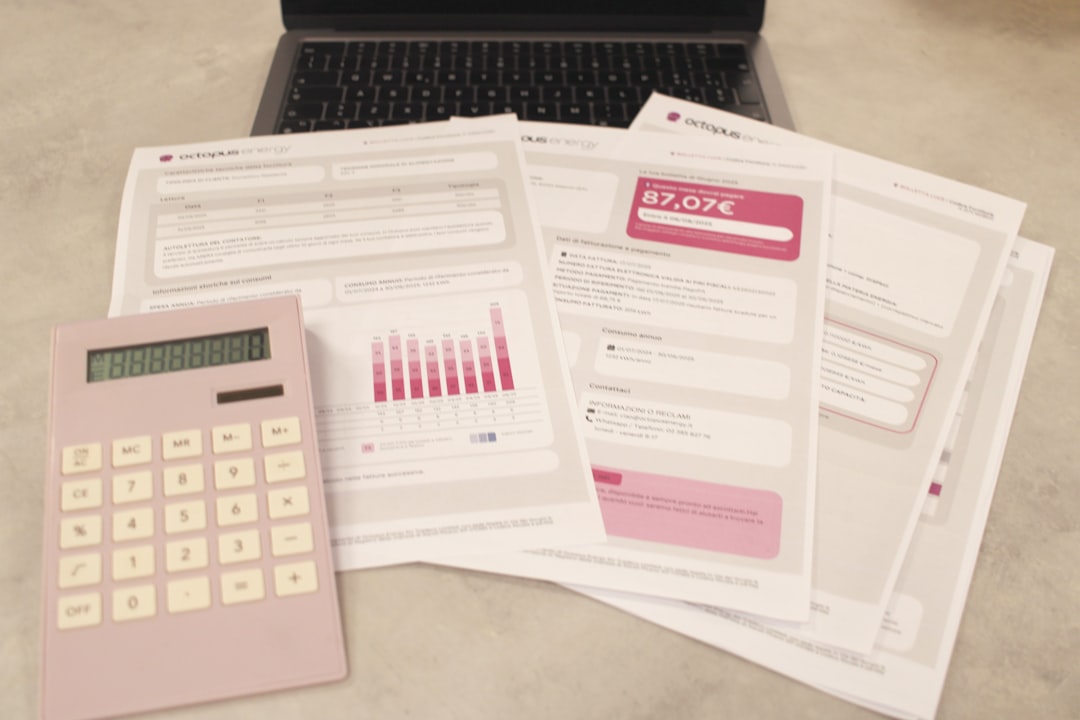
The Analyse Drive — Plan intent for this deliverable spreadsheet provides a concrete example of how businesses structure and analyze document generation processes. With over 330 records, it captures data points such as section type, details, document titles, authors, publication year, and contact information. This level of structured metadata is crucial for AI systems to generate, categorize, and manage business documents at scale.
For instance, in a typical proposal workflow, AI can reference fields like company name, project goal, technical requirements, and delivery deadlines to automatically populate key sections—ensuring accuracy and relevance.
Benefits and Measurable ROI of AI Document Generators
Adopting AI document generators delivers immediate and strategic benefits for businesses of all sizes. Here are the top advantages:
- Productivity: Teams report up to 80% time savings on routine document creation.
- Consistency & Compliance: Automated checks ensure that every document meets legal and operational standards.
- Error Reduction: AI minimizes costly mistakes and ensures up-to-date information.
- Scalability: Generate hundreds of documents simultaneously—ideal for fast-growing organizations.
According to a recent industry survey, 74% of enterprises plan to automate at least half of their document workflows by the end of 2026.
AI-generated documents have become the backbone of agile, data-driven business operations. They enable teams to focus on strategy, not paperwork.
— Chloe Rivers, Digital Transformation Lead
- <strong>Rapid turnaround</strong> — AI reduces proposal cycles from days to minutes
- <strong>Legal compliance</strong> — Built-in checks for industry standards and regulations
- <strong>Cost savings</strong> — Fewer manual hours, reduced reliance on external legal review
How to Implement AI Docs in Your Business Workflow
Integrating AI document generators into your business is now accessible to organizations of every size. Here's a step-by-step approach:
- Audit your current workflows: Identify recurring documents (proposals, SOPs, contracts) and what data sources power them.
- Choose the right tool: Evaluate AI solutions for integration with your CRM, ERP, or project management stack.
- Structure your data: Clean, categorize, and tag your data to maximize AI automation accuracy (see the analysis spreadsheet example above).
- Train your team: Provide onboarding for template customization, review, and approval best practices.
For a deeper dive into building a future-ready, AI-powered business, explore AI Automation for Small Business: A Practical Guide for 2026.
- Template-Driven AI Docs Launched — Early AI tools automate the creation of standard business documents.
- Seamless Data Integration — AI docs sync with CRMs, ERPs, and cloud storage for real-time updates.
- Smart Compliance & Review — AI engines conduct legal and regulatory audits before document finalization.
- Data Input (CRM, ERP, Sheets)
- AI Document Generation
- Human Review & Edit
- Approval & Compliance Check
- Send/Store Document
Future Trends: Beyond Text, AI-Driven Smart Documents
Looking ahead, AI document generators are evolving from text-only drafts to interactive smart documents. Expect features like embedded data visualizations, live collaboration, and automated version control. Some platforms are already integrating with business intelligence dashboards and e-signature workflows for a seamless end-to-end process.
Discover more about the convergence of AI, automation, and business intelligence in our article AI-Generated Reports: From Raw Data to Insights in Minutes.
- What are AI document generators?
- AI document generators are software tools that use artificial intelligence to automate the creation of business documents such as proposals, SOPs, and contracts. They pull in data, apply business rules, and produce ready-to-use documents.
- How do AI docs improve business efficiency?
- AI docs streamline document workflows, reduce manual effort, minimize errors, and ensure compliance. This results in significant time savings and improved productivity for businesses.
- What data is needed for AI document automation?
- Structured data such as client information, project details, technical requirements, and compliance standards is essential for accurate AI document generation. The better the data, the more precise the output.
- Can AI-generated contracts be legally binding?
- Yes. When reviewed and approved by authorized personnel, AI-generated contracts are as legally binding as those drafted manually, provided they adhere to jurisdictional standards and digital signature regulations.
- Are AI document generators secure?
- Most leading platforms offer robust security, encryption, and compliance with privacy laws. Always verify that the tool meets your industry's data protection requirements.
- How do I get started with AI document automation?
- Begin by auditing your current document workflows, select a solution that integrates with your data sources, and train your team on template customization and review procedures.