
Cybersecurity in connected factories has become a critical concern for factory owners as industrial IoT rapidly transforms manufacturing. With the rise of smart devices and automation, factory security faces new threats that require advanced protection strategies. This article explores the main cybersecurity challenges in connected factories and provides actionable insights to help safeguard your industrial operations in 2026.
Understanding Cybersecurity in Connected Factories
La cybersécurité dans les usines connectées désigne l'ensemble des mesures visant à protéger les systèmes industriels, les réseaux et les appareils IoT contre les cybermenaces. Avec l’essor de l’Industrial IoT (IIoT) dans la fabrication, la surface d’attaque s’élargit considérablement, exposant les usines à des risques inédits. En 2023, selon l’ENISA, plus de 45 % des incidents industriels étaient liés à des failles dans la sécurité des objets connectés.
- Intégration des systèmes IT et OT : Les usines modernes fusionnent technologies de l'information (IT) et technologies opérationnelles (OT), ce qui crée des ponts entre réseaux auparavant isolés.
- Diversité des protocoles et appareils : Les capteurs, robots, automates programmables et autres équipements industriels utilisent des protocoles variés, souvent peu sécurisés, multipliant les points d'entrée pour les attaquants.
- Dépendance à la connectivité : Plus de 70 % des usines européennes utilisent désormais des plateformes cloud pour la gestion de la production, rendant la cybersécurité essentielle à la continuité de l’activité.
La compréhension de la cybersécurité dans ce contexte implique d’identifier les spécificités des environnements industriels : exigences de disponibilité, contraintes légales (ex : NIS2, RGPD), et gestion des risques liés à la chaîne d’approvisionnement. Pour les dirigeants d’usines, il est vital d’adopter une démarche proactive, combinant audits réguliers, sensibilisation des équipes et déploiement de solutions adaptées, telles que des pare-feux industriels, des systèmes de détection d’intrusion et une gestion rigoureuse des accès. Pour approfondir, découvrez notre guide sur les bases de la sécurité industrielle.
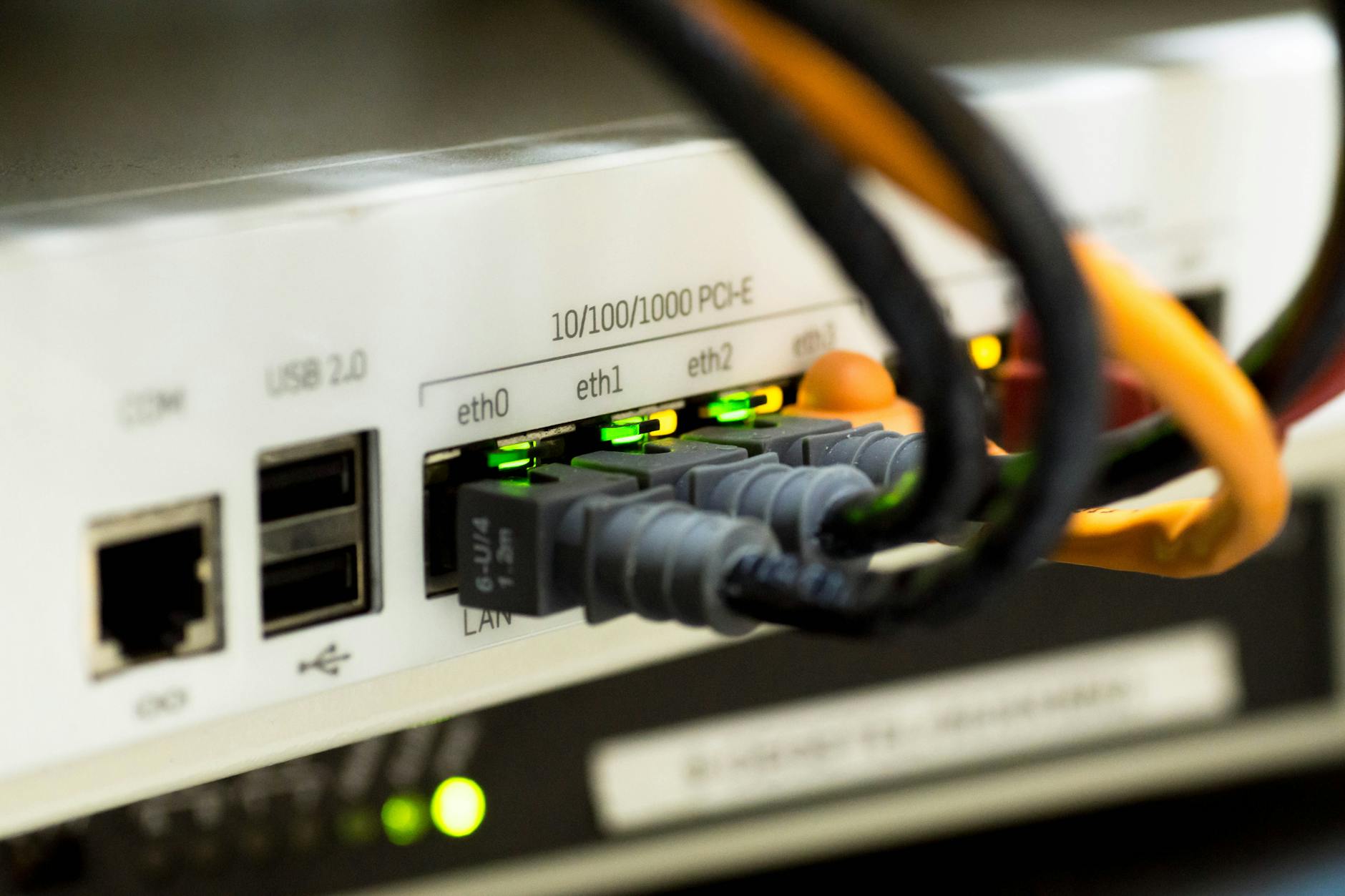
- Industrial IoT Devices in Factories
- 34B
- Increase in Factory Cyber Attacks (2025-2026)
- 43 %
- Average Cost per Cybersecurity Incident
- $3.1M
Top Cybersecurity Threats Facing Smart Factories
Les usines intelligentes sont confrontées à des menaces cybernétiques spécifiques, qui ciblent souvent la convergence entre IT, OT et dispositifs IoT industriels. En 2022, plus de 60 % des entreprises manufacturières européennes ont signalé une tentative d’attaque majeure, selon l’Allianz Risk Barometer. Comprendre ces menaces est clé pour mettre en place des défenses efficaces.
- Menaces multiformes : Les attaques vont des ransomwares paralysant la production aux campagnes de phishing visant à dérober des identifiants critiques.
- Croissance des attaques chainées : Les cyberattaquants exploitent souvent des fournisseurs ou prestataires moins protégés pour infiltrer les réseaux d’usine.
- Exploitation des systèmes obsolètes : De nombreux équipements industriels fonctionnent encore sur des systèmes non mis à jour, vulnérables aux exploits connus depuis des années.
Pour contrer ces menaces, il est recommandé de :
- Former régulièrement le personnel à la détection des tentatives de phishing et aux bonnes pratiques de cybersécurité.
- Mettre à jour les systèmes et logiciels pour corriger les vulnérabilités exploitées par les ransomwares et autres malwares.
- Évaluer la sécurité de la chaîne d’approvisionnement afin d’identifier et de gérer les risques tiers.
En comprenant ces vecteurs d’attaque et en mettant en place des défenses adaptées, les propriétaires d’usines peuvent réduire considérablement l’impact potentiel d’une cyberattaque. Pour des conseils pratiques, consultez notre article sur la protection contre les ransomwares en industrie.
| Threat | Description | Potential Impact |
|---|---|---|
| Ransomware | Malware encrypting factory data | Production downtime, financial loss |
| Phishing | Deceptive attacks targeting staff | Credential theft, network compromise |
| Supply Chain Attacks | Infiltration via third-party vendors | Widespread system vulnerabilities |
| Legacy System Exploits | Attacks on outdated equipment | Increased risk of unauthorized access |
The convergence of IT and OT in smart factories has created unprecedented cybersecurity risks that demand a holistic, proactive defense strategy.
— Dr. Elisa Grant, Industrial Cybersecurity Expert
Why Industrial IoT Increases Attack Surfaces
L’utilisation massive de l’Industrial IoT dans les usines connectées entraîne une augmentation exponentielle de la surface d’attaque. Chaque appareil IoT ajouté au réseau industriel représente un nouveau point d’entrée potentiel pour les cybercriminels. Une étude de Gartner estime qu’en 2023, le nombre moyen d’appareils connectés par usine a dépassé 2 000 équipements, contre moins de 500 il y a cinq ans.
- Multiplication des points d’accès : Chaque capteur, caméra ou automate connecté peut être compromis s’il n’est pas correctement sécurisé.
- Manque d’uniformité dans la sécurité : Les appareils IIoT proviennent souvent de fournisseurs multiples, avec des niveaux de sécurité variables et des mises à jour irrégulières.
- Difficulté de visibilité : Les équipes IT/OT peinent à cartographier et surveiller l’ensemble des actifs connectés, créant des angles morts exploitables par les attaquants.
Pour limiter ces risques, il est crucial de :
- Inventorier systématiquement tous les appareils IoT pour assurer leur suivi et leur gestion sécurisée.
- Segmenter les réseaux industriels afin d’isoler les dispositifs critiques et limiter la propagation d’une attaque.
- Mettre en œuvre des politiques de sécurité strictes pour le déploiement, la mise à jour et la gestion des accès des appareils IIoT.
La croissance rapide de l’IoT industriel offre des gains d’efficacité mais génère de nouveaux défis en matière de sécurité des usines, nécessitant une vigilance accrue et des stratégies adaptées pour protéger chaque point d’entrée numérique.

- <strong>Device proliferation</strong> — More connected endpoints mean more targets for attackers.
- <strong>Interconnected systems</strong> — Lateral movement between IT and OT increases risk.
- <strong>Remote access</strong> — Essential for modern factories but often poorly secured.
Best Practices for Factory Security in 2026
Factory security in 2026 demands a proactive, multilayered approach to defend against increasingly sophisticated cyber threats targeting industrial IoT infrastructures. Factory owners must adopt a blend of technology, process, and human-centric measures to mitigate evolving risks, as cyberattacks on manufacturing rose by more than 100% between 2021 and 2025 according to IBM’s X-Force Threat Intelligence Index.
Modern best practices for factory cybersecurity encompass:
- Network segmentation—Dividing OT (Operational Technology) and IT (Information Technology) networks ensures that a breach in one area does not compromise the entire infrastructure. This approach limits an attacker's lateral movement and is essential for containing threats.
- Regular patching—Many factory devices run on legacy systems, which are often unpatched and susceptible to exploits. Implementing a robust patch management policy reduces vulnerabilities. In 2025, unpatched systems accounted for nearly 30% of successful breaches in industrial environments.
- Employee training—With social engineering responsible for up to 70% of initial breach vectors, continuous cybersecurity awareness programs are critical. Training staff to recognize phishing and other manipulative tactics can dramatically decrease successful attacks.
- Zero trust architecture—By default, zero trust assumes no user or device is trustworthy, minimizing access to only what is strictly necessary. According to a 2024 Forrester survey, organizations implementing zero trust saw a 35% reduction in breach impact costs.
Incorporating these best practices, combined with ongoing monitoring and clear incident response protocols, forms the foundation for resilient factory security in the era of connected manufacturing. By investing in both technology and people, factory owners can significantly strengthen their cyber defenses and ensure operational continuity.
| Practice | Benefit |
|---|---|
| Network segmentation | Limits spread of attacks across OT and IT domains |
| Regular patching | Reduces vulnerabilities in legacy and new equipment |
| Employee training | Decreases risk of social engineering attacks |
| Zero trust architecture | Restricts access to only necessary users and devices |
Actionable Steps for Factory Owners
Factory owners can take concrete steps to enhance cybersecurity and protect industrial IoT systems from threats. Implementing a structured action plan ensures vulnerabilities are addressed systematically, reducing downtime and financial losses—cyber incidents cost factories an average of $2.7 million per breach in 2023 (IBM Cost of a Data Breach Report).
To reinforce factory security, consider these prioritized actions:
- Conduct regular security audits—Schedule comprehensive assessments at least twice a year. These audits expose hidden risks, outdated firmware, and misconfigured devices, enabling proactive remediation. Factories with bi-annual audits report 40% fewer major incidents.
- Implement multi-factor authentication—Adding a second authentication layer (e.g., biometrics, tokens) for all users and administrators drastically lowers the risk of unauthorized access. According to Microsoft, MFA blocks 99.9% of automated attacks.
- Enforce vendor security standards—Ensure all third-party suppliers comply with your cyber policies. Require evidence of compliance, such as ISO 27001 certification, and periodic risk assessments. Supply chain attacks have surged by 80% since 2022, making this step crucial.
- Develop incident response plans—Prepare for breaches by outlining clear steps for containment, eradication, and recovery. Simulating response scenarios at least annually can decrease response time by 50% and minimize operational impact.
Adopting these actionable steps not only strengthens your factory’s cybersecurity posture but also creates a culture of vigilance. Consistent application of these measures will safeguard assets and maintain trust with partners and customers.
- <strong>Conduct regular security audits</strong> — Identify and address vulnerabilities proactively.
- <strong>Implement multi-factor authentication</strong> — Strengthen access controls for all systems.
- <strong>Enforce vendor security standards</strong> — Ensure third-party suppliers follow cyber best practices.
- <strong>Develop incident response plans</strong> — Minimize damage and recovery times when breaches occur.
- Factory Cybersecurity Strategy
- Network Security
- Device Management
- Employee Awareness
- Incident Response
- Segmentation
- Monitoring & Alerts
- Asset Inventory
- Patch Management
- Phishing Training
- Access Controls
- Response Plan
- Backup & Recovery
Emerging Trends: AI and Automation in Factory Cybersecurity
AI and automation are transforming factory cybersecurity by enabling rapid detection and response to threats in complex industrial IoT environments. Factory owners adopting these technologies gain a decisive edge against both known and emerging cyber risks, as AI-driven solutions can reduce incident response times from days to minutes.
Key emerging trends in AI-powered factory security include:
- Automated threat detection—AI algorithms analyze network traffic in real time, identifying anomalies that human analysts might miss. For example, in 2024, AI-enabled detection systems reduced false positives by 60% compared to traditional tools.
- Predictive maintenance and risk scoring—Machine learning models can forecast equipment vulnerabilities and prioritize patching based on real risk, preventing up to 45% of potential attacks before they occur.
- Self-healing networks—Advanced automation enables networks to isolate compromised devices and reroute traffic autonomously, containing threats without manual intervention. Factories deploying such systems report a 70% reduction in downtime due to cyber incidents.
- Integrated AI incident response—AI-driven playbooks automate investigation, containment, and communication steps, ensuring swift, consistent responses to breaches. This not only accelerates recovery but also limits damage to reputation and operations.
These innovations are reshaping industrial IoT security, making factories more resilient and less reliant on scarce cybersecurity talent. As cyber threats evolve, leveraging AI and automation will be essential for maintaining robust, adaptive factory defenses in 2026 and beyond.
- What makes connected factories more vulnerable to cyber attacks?
- Connected factories use industrial IoT devices that greatly expand the attack surface, making it easier for cybercriminals to exploit vulnerabilities and disrupt operations.
- How can factory owners protect legacy equipment from cyber threats?
- Factory owners should segment legacy systems from critical networks, regularly update software where possible, and monitor for unusual activity to mitigate risks.
- Why is employee training crucial for factory cybersecurity?
- Employees are often the target of social engineering attacks like phishing. Regular training helps staff recognize threats and follow cybersecurity best practices.
- What role does AI play in enhancing factory security?
- AI-powered security tools can quickly detect and respond to anomalies, automate threat hunting, and reduce response times, thus strengthening overall factory security.
- What is the first step in developing an effective factory cybersecurity plan?
- The first step is conducting a thorough security audit to identify vulnerabilities in both IT and OT systems, forming the basis for a prioritized action plan.
- How often should cybersecurity audits be performed in smart factories?
- Cybersecurity audits should be conducted at least annually, or more frequently if significant changes are made to the factory’s connected infrastructure.