
Industry 4.0 is dramatically transforming manufacturing by integrating advanced digital technologies, automation, and data-driven decision-making. For industrial engineers, understanding these changes is crucial to remain competitive and drive operational excellence. This article explores how Industry 4.0 is reshaping manufacturing, offering practical insights and strategies for successful digital transformation in 2026.
Industry 4.0: Definition and Core Principles in Manufacturing
Industry 4.0 refers to the fourth industrial revolution, characterized by the fusion of cyber-physical systems, IoT, cloud computing, AI, and advanced analytics in manufacturing environments. These technologies enable real-time data exchange, automation, and intelligent decision-making, reshaping how factories design, produce, and deliver products. For industrial engineers, mastering these core principles is foundational for implementing digital transformation projects.
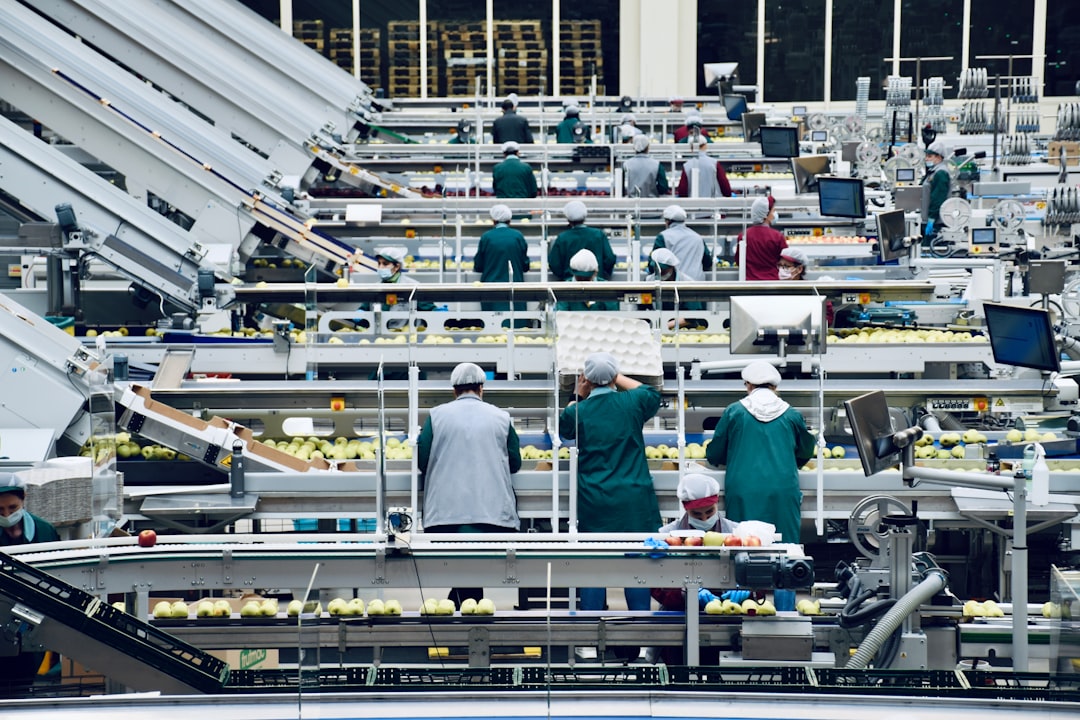
- <strong>Cyber-Physical Systems (CPS)</strong> — Integrate computational algorithms with physical processes for seamless operations.
- <strong>Industrial IoT (IIoT)</strong> — Connect machines, sensors, and devices to collect and share data in real time.
- <strong>Big Data & Analytics</strong> — Leverage large-scale data for predictive maintenance and process optimization.
- <strong>Cloud Computing</strong> — Enable scalable, flexible access to data and applications.
- <strong>Artificial Intelligence (AI)</strong> — Automate complex tasks and support intelligent decision-making.
Key Technologies Driving Digital Transformation in Manufacturing
Digital transformation in manufacturing relies on a set of core technologies, each playing a vital role in process improvement and value creation. Industrial engineers must understand these technologies to select the right solutions for their factories. From robotics to machine learning, these tools enable smarter, faster, and more flexible manufacturing systems.
- Smart Factory Adoption
- 67 %
- Expected Productivity Gain
- 20 %
- Manufacturers Using AI
- 52 %
- Cost Savings (avg.)
- 15 %
| Technology | Use Case | Impact |
|---|---|---|
| IoT Sensors | Real-time Monitoring | Increased equipment uptime |
| AI/ML | Predictive Maintenance | Reduced unplanned downtime |
| Robotics | Assembly Automation | Improved consistency & speed |
| Cloud Platforms | Data Integration | Enhanced collaboration |
Benefits of Industry 4.0 for Industrial Engineers
Industry 4.0 delivers significant benefits for industrial engineers, from operational efficiency to enhanced agility. By leveraging digital transformation, engineers can improve process reliability, reduce costs, and drive innovation. These advantages are especially pronounced in competitive manufacturing sectors aiming for world-class performance in 2026.
- <strong>Increased Productivity</strong> — Automation and optimization boost output and resource utilization.
- <strong>Predictive Maintenance</strong> — Data-driven insights reduce downtime and maintenance costs.
- <strong>Enhanced Quality Control</strong> — Real-time monitoring catches defects earlier in the process.
- <strong>Agility and Customization</strong> — Flexible systems enable faster product changes and mass customization.
- <strong>Data-Driven Decision Making</strong> — Access to accurate, real-time data supports proactive management.
Industry 4.0 empowers engineers to shift from reactive problem-solving to proactive, data-driven innovation across all manufacturing processes.
— Dr. Émilie Laurent, Digital Manufacturing Specialist
Want to learn more about reporting best practices?
Explore our article on <a href="/blog/meilleures-pratiques-tableaux-de-bord-analyse-visualisation-erp">optimizing dashboards for digital manufacturing</a> to discover actionable tips on advanced reporting and data visualization.
Real-World Applications: Industry 4.0 Use Cases in Manufacturing
The impact of Industry 4.0 is visible through concrete applications in factories worldwide. From smart maintenance to autonomous production lines, these use cases help industrial engineers benchmark and inspire their own digital transformation projects.
- <strong>Predictive Maintenance Platforms</strong> — Use sensor data and AI to anticipate failures, minimizing costly downtimes.
- <strong>Digital Twins</strong> — Create virtual replicas of equipment or processes for real-time monitoring and simulation.
- <strong>Automated Quality Inspection</strong> — Deploy computer vision to detect product defects instantly.
- <strong>Supply Chain Synchronization</strong> — Integrate suppliers, production, and logistics with cloud-based platforms.
- <strong>Collaborative Robots (Cobots)</strong> — Enable safe human-machine collaboration for complex tasks.
- Data Capture (Sensors)
- Data Transmission (IoT)
- Cloud Analytics
- AI-Driven Decisions
- Automated Action (Robots)
Challenges and Best Practices for Digital Transformation
Despite its benefits, Industry 4.0 adoption comes with challenges such as integration complexity, data security, and change management. Industrial engineers must address these hurdles with structured approaches and proven best practices. Success depends on leadership commitment, upskilling teams, and selecting scalable technology partners.
- <strong>Assess Your Digital Maturity</strong> — Start with a digital readiness audit.
- <strong>Prioritize Interoperability</strong> — Opt for open standards and modular platforms.
- <strong>Invest in Cybersecurity</strong> — Protect data at every layer of the manufacturing stack.
- <strong>Engage Employees Early</strong> — Provide training and involve teams in transformation projects.
- <strong>Iterate and Scale</strong> — Use agile methods to deploy, test, and expand Industry 4.0 initiatives.
Roadmap: Implementing Industry 4.0 in Manufacturing (2026-2027)
Rolling out Industry 4.0 requires a clear, phased strategy for success. Below is a typical roadmap for industrial engineers embarking on digital transformation initiatives in manufacturing for 2026–2027.
- Digital Maturity Assessment — Evaluate current systems and set objectives.
- Pilot Project Launch — Implement a small-scale Industry 4.0 solution (e.g., predictive maintenance).
- Technology Integration — Expand IoT, AI, and cloud platforms across operations.
- Upskilling Workforce — Train engineers and operators on new tools and processes.
- Scale & Optimize — Roll out successful pilots company-wide and optimize continuously.
The Future of Manufacturing: Trends and Opportunities for Industrial Engineers
By 2027, manufacturers embracing Industry 4.0 will enjoy greater resilience, sustainability, and innovation capacity. Trends such as hyperautomation, digital twins, and AI-powered supply chains will further enhance productivity and open new business models. Learn more about Industry 4.0 trends and real-world examples to stay ahead in the evolving industrial landscape.
- What is Industry 4.0 in manufacturing?
- Industry 4.0 in manufacturing refers to the integration of digital technologies like IoT, AI, and automation to create smart, connected factories. It enables real-time data exchange, intelligent automation, and improved decision-making.
- How does Industry 4.0 improve productivity?
- Industry 4.0 technologies automate repetitive tasks, enable predictive maintenance, and optimize processes using real-time analytics, resulting in higher output and lower operational costs.
- What are the main challenges of adopting Industry 4.0?
- Key challenges include integration complexity, data security concerns, workforce upskilling needs, and managing organizational change during the digital transformation process.
- Which technologies are essential for Industry 4.0?
- Essential technologies include Industrial IoT (IIoT), artificial intelligence (AI), robotics, cloud computing, and advanced analytics for data-driven operations.
- How can industrial engineers start implementing Industry 4.0?
- Start with a maturity assessment, launch a pilot project (such as predictive maintenance), invest in workforce training, and scale successful initiatives across the organization.