
Industry 5.0 is rapidly emerging as the next evolution in manufacturing, placing human-centric transformation at its core. Unlike Industry 4.0, which focused on automation and digitalization, Industry 5.0 seeks to harmonize humans and machines for optimal innovation, resilience, and sustainability. In this guide, you’ll discover the key concepts, challenges, and actionable steps to move from vision to action in the future of industry.
What Is Industry 5.0? Definition and Key Differences from Industry 4.0
Industry 5.0 represents a paradigm shift in manufacturing, prioritizing the synergy between advanced technologies and human creativity. While Industry 4.0 focused on automation, IoT, and data-driven processes, Industry 5.0 emphasizes human-machine collaboration, sustainability, and societal value. This approach addresses the limitations of pure automation by integrating human expertise and ethical considerations into the digital transformation journey.
- Enhanced personalisation — Custom manufacturing powered by both AI and human input.
- Resilience and sustainability — Factories designed for adaptability and environmental stewardship.
- Human-centric innovation — Empowering workers through upskilling and collaborative robotics.
As the EU and leading manufacturers adopt this new model, businesses must adapt to stay competitive and socially responsible.

- Factories adopting Industry 5.0
- 35 %
- Expected productivity gain
- 20 %
- Jobs requiring upskilling by 2027
- 50 %
From Industry 4.0 to the Industry of the Future: Key Milestones
The transition from Industry 4.0 to Industry 5.0 involves strategic milestones that reshape production and workforce dynamics. Manufacturers are moving from highly automated, connected systems to environments where human intelligence and ethical considerations drive innovation. Key milestones include the widespread adoption of collaborative robots (cobots), AI-powered decision support, and new models for sustainable production.
- 2024-2025: Expansion of IoT and digital twins across manufacturing lines.
- 2026: Integration of cobots and advanced AI in production planning.
- 2027: Workforce upskilling and the implementation of ethical AI frameworks.
- 2028: Factories achieving net-zero emissions with human-centered design principles.
Each step involves rethinking business processes and investing in both technology and people, as detailed in our Workforce Upskilling for Digital Factories guide.
- Digital Twin and IoT Expansion — Connecting assets for real-time monitoring and predictive maintenance.
- AI & Cobots Integration — Deploying collaborative robots and AI-driven systems for flexible production.
- Workforce Upskilling Initiatives — Training staff in AI, robotics, and ethical decision-making.
- Net-Zero Human-Centric Plants — Factories designed for sustainability and human well-being.
The Human Role in Industry 5.0: Skills, Upskilling, and Collaboration
Industry 5.0 places humans back at the center of industrial transformation. In this new paradigm, workers are empowered as co-designers, problem-solvers, and innovation drivers. Upskilling is critical: by 2027, over 50% of industrial jobs will require new digital and collaborative skills.
- Soft skills: Creativity, critical thinking, and adaptability.
- Digital skills: Data literacy, AI operation, and human-robot interaction.
- Ethical responsibility: Ensuring technology serves people and society.
Companies that invest in upskilling benefit from improved productivity and workforce satisfaction. For practical steps on upskilling, see our step-by-step guide to workforce upskilling.
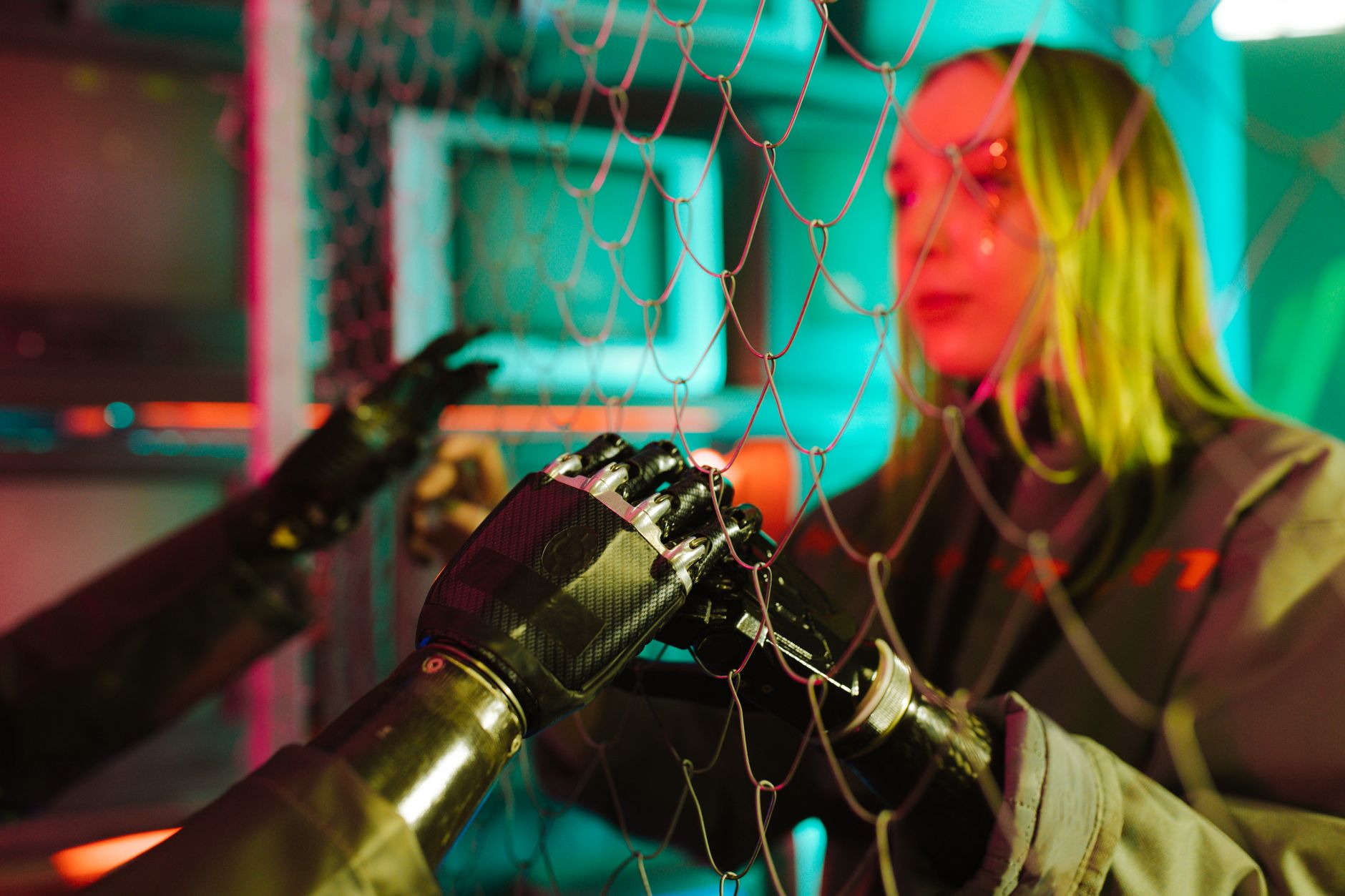
- <strong>Empowerment of workers</strong> — Employees influence design, safety, and process improvements.
- <strong>Continuous learning</strong> — Ongoing training in digital tools and soft skills.
- <strong>Collaborative robotics</strong> — Cobots support, not replace, human operators.
Challenges and Solutions in Implementing Industry 5.0
Despite its promise, implementing Industry 5.0 presents several challenges for manufacturers. These include resistance to change, skills shortages, integration complexity, and ensuring ethical, sustainable operations. Addressing these challenges requires a balanced approach combining technology investment and cultural transformation.
| Challenge | Solution |
|---|---|
| Skills gap | Continuous training & digital upskilling |
| Integration of legacy systems | Phased adoption & modular platforms |
| Data ethics & privacy | Transparent AI governance |
| Change management | Leadership engagement & employee involvement |
Drawing on best practices, successful companies create cross-functional teams and invest in AI automation strategies that balance efficiency with human oversight.
KPIs and Metrics for Industry 5.0 Success
Measuring Industry 5.0 transformation requires new KPIs that capture both technological and human-centric progress. Beyond traditional output and efficiency metrics, companies should track workforce engagement, upskilling rates, ethical compliance, and sustainability performance.
- Human-machine collaboration index — % of tasks performed jointly by humans and robots
- Upskilling rate — % of workforce completing digital training per year
- Employee satisfaction score — Survey-based metric on workplace well-being
- Energy efficiency — Reduction in kWh per unit produced
These KPIs enable leaders to monitor progress and adjust strategies for optimal impact.
Industry 5.0 is about using technology to empower people—not replace them. Success will come to those who invest in both innovation and their workforce.
— Adam Bagdadi, Author of 'De la vision à l'action : l'avenir de l'industrie'
Case Study: Document Analysis for Industry 5.0 Strategy
To illustrate how organizations can leverage data for Industry 5.0, we present an analysis of 700+ documents relevant to industrial transformation. This dataset catalogs publications, authors, and key sections across recent years—enabling benchmarking, strategy development, and identifying best practices for human-centric digital transformation. Insights from this analysis support decision-makers in aligning their vision with actionable steps for Industry 5.0 adoption.
Practical Roadmap: Steps to Implement Industry 5.0 in 2026-2027
Building an Industry 5.0 roadmap requires strategic planning and iterative execution. Here’s a step-by-step approach for manufacturers in 2026-2027:
- Assess readiness: Audit current technologies and workforce skills.
- Engage leaders and workers: Foster a culture open to change.
- Pilot human-machine collaboration: Start with cobots or AI-powered tools.
- Scale up: Expand successful pilots and integrate ethical, sustainability goals.
- Measure and adapt: Monitor KPIs, seek feedback, and iterate.
Each phase builds on the previous, ensuring sustainable growth and competitive advantage in the era of Industry 5.0.
| Phase | Goal | Key Actions |
|---|---|---|
| 1. Audit | Identify gaps | Skill assessment, tech inventory |
| 2. Engage | Change culture | Leadership workshops, employee forums |
| 3. Pilot | Test solutions | Cobots, AI, upskilling modules |
| 4. Scale | Enterprise-wide adoption | Integrate across lines, set ethical standards |
| 5. Monitor | Continuous improvement | KPI tracking, feedback loops |
- What is the main difference between Industry 4.0 and Industry 5.0?
- Industry 4.0 focuses on automation and digitalization, while Industry 5.0 emphasizes human-centric transformation, where people work alongside advanced technologies for more sustainable and innovative outcomes.
- How can companies start implementing Industry 5.0?
- Start with a readiness assessment, invest in upskilling, pilot collaborative technologies, and foster a culture that embraces both technology and human value.
- What are KPIs for Industry 5.0 transformation?
- Key KPIs include upskilling rates, human-machine collaboration index, employee satisfaction, and energy efficiency, combining traditional and human-centric metrics.
- Why is upskilling important in Industry 5.0?
- Upskilling ensures workers can leverage digital and collaborative tools, driving innovation and maintaining competitiveness as technology evolves.
- How does Industry 5.0 address sustainability?
- Industry 5.0 integrates environmental goals into manufacturing design, prioritizing energy efficiency, waste reduction, and social responsibility alongside productivity.
- Where can I find practical examples of Industry 5.0 initiatives?
- Explore our linked articles on workforce upskilling and AI automation for small businesses for real-world examples and step-by-step guides.