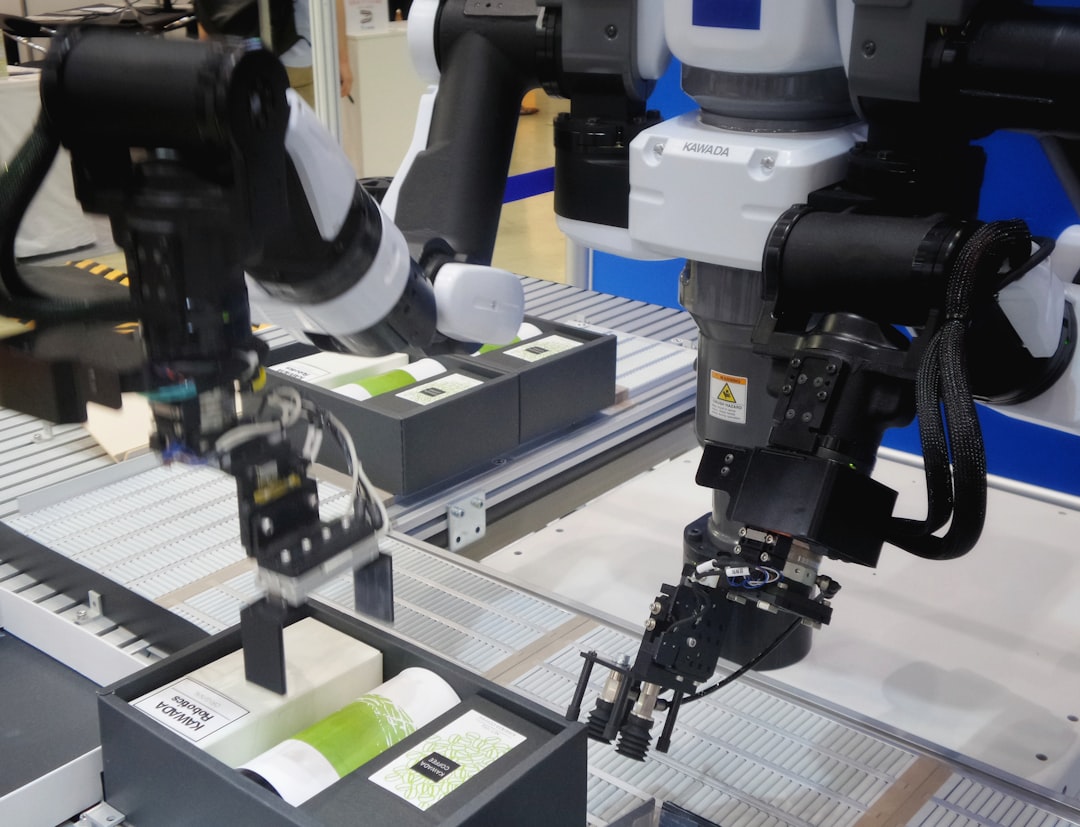
The smart factory is no longer a futuristic concept — it is the operational standard that separates competitive manufacturers from those falling behind. As we approach 2026, IoT (Internet of Things) has become the single most transformative technology driving factory automation, real-time visibility, and data-driven decision-making across every manufacturing vertical. According to McKinsey, manufacturers that fully embrace IoT-enabled operations can unlock up to $3.7 trillion in value globally by the end of the decade. For factory owners evaluating where to invest next, understanding which IoT applications deliver the highest ROI is no longer optional — it's a strategic imperative.
This comprehensive checklist is designed to give you a clear, actionable roadmap of the top IoT applications transforming smart factories in 2026. Whether you're running a discrete manufacturing plant, a process facility, or a hybrid operation, these applications address the core challenges you face daily: unplanned downtime, quality inconsistencies, energy waste, supply chain disruptions, and workforce safety risks. Each application listed here has been selected based on proven impact, scalability, and relevance to mid-size and large manufacturing operations.
Rather than offering abstract theory, this guide provides concrete use cases, real-world data, and implementation priorities so you can benchmark your current IoT maturity and identify the gaps that matter most. From predictive maintenance and real-time production monitoring to digital twin integration and autonomous quality inspection, we cover the full spectrum of IoT-powered capabilities that define the factory of tomorrow. Let's dive into the checklist that will help you future-proof your operations and maximize your competitive advantage heading into 2026 and beyond.
Why IoT Is the Backbone of the Smart Factory in 2026
IoT is the backbone of the smart factory in 2026 because it provides the foundational connectivity layer that enables every other advanced manufacturing technology — from AI-driven analytics to robotic automation — to function cohesively and at scale. Without IoT sensors, gateways, and edge computing infrastructure, a factory is essentially operating blind, relying on manual data collection, reactive maintenance, and siloed decision-making that costs millions in lost productivity annually.
The shift toward IoT-centric manufacturing has accelerated dramatically. The global Industrial IoT (IIoT) market is projected to reach $312 billion USD by 2026, reflecting a compound annual growth rate of over 22% since 2021. This explosive growth is driven by several converging factors that make IoT adoption not just beneficial, but essential for survival in modern manufacturing:
- Hyper-connectivity: Modern IoT platforms can connect tens of thousands of sensors, machines, and devices across a single facility, creating a unified data ecosystem that feeds real-time dashboards, MES systems, and ERP platforms simultaneously.
- Edge computing maturity: In 2026, over 75% of industrial data is processed at the edge rather than in the cloud, enabling sub-second response times for critical automation decisions — a requirement for high-speed production lines.
- Cost reduction of sensors: The average cost of an industrial-grade IoT sensor has dropped by 60% over the past five years, making large-scale deployments financially viable even for mid-size factories with limited capital budgets.
- 5G and LPWAN adoption: Private 5G networks and low-power wide-area networks (LPWAN) now provide the reliable, low-latency connectivity that industrial environments demand, eliminating the network bottlenecks that plagued earlier IoT rollouts.
- Regulatory and sustainability pressure: Governments worldwide are mandating energy reporting, carbon tracking, and traceability — all of which require IoT-generated data to comply efficiently.
For factory owners, the business case is compelling and well-documented. Manufacturers deploying IoT at scale report an average OEE (Overall Equipment Effectiveness) improvement of 15%, unplanned downtime reductions of 30-50%, and energy savings of up to 20%. By 2027, an estimated 72% of factories globally will have adopted at least one major IoT application, according to IoT Analytics. The metrics below illustrate the scale of impact IoT is delivering across the manufacturing sector.
- Global Industrial IoT Market Size (2026)
- 312 B USD
- Average OEE Improvement with IoT
- 15 %
- Unplanned Downtime Reduction
- 30-50 %
- Factories Adopting IoT by 2027
- 72 %
The Complete IoT Smart Factory Checklist: 10 High-Impact Applications
1. Predictive Maintenance & Condition Monitoring
Predictive maintenance powered by IoT is the single highest-ROI application in smart factories, enabling manufacturers to anticipate equipment failures before they occur and eliminate the devastating costs of unplanned downtime — which averages $260,000 per hour in automotive manufacturing alone (Aberdeen Group). By continuously monitoring machine health through IoT sensors, factory owners shift from costly reactive or scheduled maintenance models to a data-driven, condition-based approach that extends asset life and slashes maintenance budgets by 25-30%.
The technology works by deploying vibration sensors, temperature probes, acoustic emission detectors, oil quality analyzers, and current monitors directly on critical equipment such as CNC machines, compressors, motors, conveyors, and robotic arms. These sensors stream data continuously to an edge computing gateway or cloud-based analytics platform, where machine learning algorithms identify anomalous patterns that precede specific failure modes — bearing degradation, misalignment, overheating, lubrication breakdown, and electrical faults.
Here's what a robust IoT-based predictive maintenance implementation should include on your checklist:
- Multi-parameter sensor deployment: Install at least 3-5 sensor types per critical asset to capture a comprehensive health signature. Vibration alone catches only ~60% of failure modes; combining it with thermal and acoustic data raises detection rates above 90%.
- Real-time alerting with severity tiers: Configure your platform to deliver tiered alerts — informational, warning, and critical — so maintenance teams can prioritize interventions without being overwhelmed by noise.
- Integration with CMMS/EAM systems: Ensure IoT data flows directly into your Computerized Maintenance Management System to auto-generate work orders, assign technicians, and track spare parts inventory in real time.
- Digital failure history logging: Every anomaly, alert, and intervention should be logged to build a machine-specific failure knowledge base that improves prediction accuracy over time through continuous model retraining.
- Remaining Useful Life (RUL) estimation: Advanced implementations go beyond binary fail/no-fail predictions to estimate how many operating hours remain before a component needs replacement, enabling precise scheduling.
Real-world results speak volumes. Siemens reported a 20% reduction in maintenance costs and a 10-15% increase in machine uptime after deploying IoT-based condition monitoring across its Amberg electronics plant. Similarly, a mid-size food processing facility documented $1.2 million in annual savings within 18 months of implementing predictive maintenance on its packaging line motors and conveyor systems. For factory owners looking for the fastest path to measurable ROI, predictive maintenance and condition monitoring should be the first checkbox on your smart factory IoT roadmap — it pays for itself quickly and creates the data foundation for more advanced applications like real-time production monitoring covered in the next section.
2. Real-Time Production Monitoring & OEE Tracking
Real-time production monitoring powered by IoT gives factory owners instant visibility into every stage of the manufacturing process, enabling data-driven decisions that boost Overall Equipment Effectiveness (OEE) by 10–25% within the first year of deployment. Instead of relying on end-of-shift reports or manual data collection, smart factory operators can now track performance metrics — availability, quality, and throughput — second by second across every machine on the floor.
The foundation of real-time monitoring lies in a network of IoT sensors installed on production equipment. These sensors capture critical data points such as cycle times, downtime events, reject counts, and machine states. The data is transmitted to a centralized Manufacturing Execution System (MES) or cloud-based dashboard where it is aggregated, analyzed, and visualized in real time. According to a McKinsey report, factories leveraging real-time OEE tracking see an average 15% reduction in unplanned downtime and a 20% improvement in labor productivity.
Here are the key capabilities that real-time production monitoring delivers to smart factory environments:
- Live OEE dashboards: Display availability, performance, and quality scores per machine, line, or plant — accessible on tablets, large screens, and mobile devices.
- Automated downtime classification: IoT systems automatically categorize downtime events (planned vs. unplanned, mechanical vs. operator-related), eliminating subjective manual logging and providing accurate root-cause data.
- Bottleneck detection: By correlating cycle time data across sequential workstations, the system identifies bottlenecks in real time and alerts supervisors before throughput is significantly impacted.
- Shift and operator benchmarking: Compare performance across shifts, operators, or production runs to identify best practices and training opportunities.
- Threshold-based alerts: Configure automatic notifications when OEE drops below a target threshold — for example, when availability falls below 85% or scrap rate exceeds 3%.
A practical example: a mid-sized automotive parts manufacturer in Germany deployed IoT-based OEE tracking across 48 CNC machines and achieved a 22% increase in OEE within 9 months, translating to an additional $1.8 million in annual output without purchasing a single new machine. The key was not just collecting data, but acting on it — setting up automated workflows that triggered maintenance tickets and production schedule adjustments based on real-time insights.
For factory owners planning a 2026 deployment, the best approach is to start with a pilot line, integrate IoT sensors with your existing SCADA or MES infrastructure, and expand incrementally. Prioritize interoperability by choosing sensors and platforms that support MQTT, OPC-UA, or REST API protocols, ensuring seamless data flow between shop-floor devices and enterprise systems. Real-time production monitoring is no longer a luxury — it is the operational backbone of every competitive smart factory.
3. Automated Quality Inspection & Defect Detection
Automated quality inspection using IoT and AI-powered vision systems is one of the highest-ROI applications in a smart factory, capable of reducing scrap rates by up to 40% and catching defects that human inspectors miss 90% of the time at production-line speeds. For factory owners, this means fewer customer returns, lower warranty costs, and consistent product quality at scale.
Traditional quality control relies heavily on manual sampling — inspecting a fraction of output and hoping it represents the whole. This approach is statistically limited and inherently reactive. IoT-enabled quality inspection flips this model by performing 100% inline inspection in real time. High-resolution cameras, laser scanners, ultrasonic sensors, and thermal imaging devices are deployed directly on the production line, capturing detailed data on every single unit produced. This data is processed by edge AI algorithms trained on thousands of defect images, enabling classification and pass/fail decisions in milliseconds.
The core components of an IoT-driven automated quality inspection system include:
- Machine vision cameras: 2D and 3D cameras inspect surface finish, dimensional accuracy, color consistency, and assembly completeness at speeds exceeding 500 parts per minute.
- IoT-connected sensors: Vibration, pressure, and torque sensors detect process anomalies (e.g., incorrect fastening torque) that lead to hidden defects not visible to cameras.
- Edge computing units: Process inspection data locally to deliver sub-50ms decision times, critical for high-speed automation lines where diverting a defective part must happen instantaneously.
- Cloud-based analytics: Aggregate inspection data over time to identify trending defect patterns, correlate them with upstream process variables, and feed insights back into predictive maintenance and process optimization loops.
- Digital twin integration: Compare real-time inspection data against the digital twin model to detect deviations from nominal specifications with micron-level precision.
The business impact is substantial. A Deloitte study found that manufacturers implementing AI-based visual inspection reported a 35% reduction in cost of quality and a 25% decrease in customer complaints within 12 months. In the electronics industry, one contract manufacturer reduced its defect escape rate from 500 PPM to under 50 PPM after deploying IoT-connected inspection stations across three SMT lines.
To implement this effectively in 2026, factory owners should follow a structured approach:
- Audit your current quality pain points: Identify the defect types causing the most scrap, rework, or customer returns.
- Select the right sensor modality: Match inspection technology to defect type — vision for surface defects, ultrasonic for internal flaws, thermal for solder joint quality.
- Train AI models on your own data: Generic models underperform; collect labeled defect samples from your specific products and processes for at least 4–6 weeks before going live.
- Integrate with your MES: Ensure inspection results are logged per unit with full traceability, linking defect data to machine, operator, material batch, and environmental conditions.
Automated quality inspection is rapidly becoming a non-negotiable capability in competitive manufacturing. Combined with real-time production monitoring, it closes the loop between detection and correction, transforming quality from a cost center into a strategic advantage.
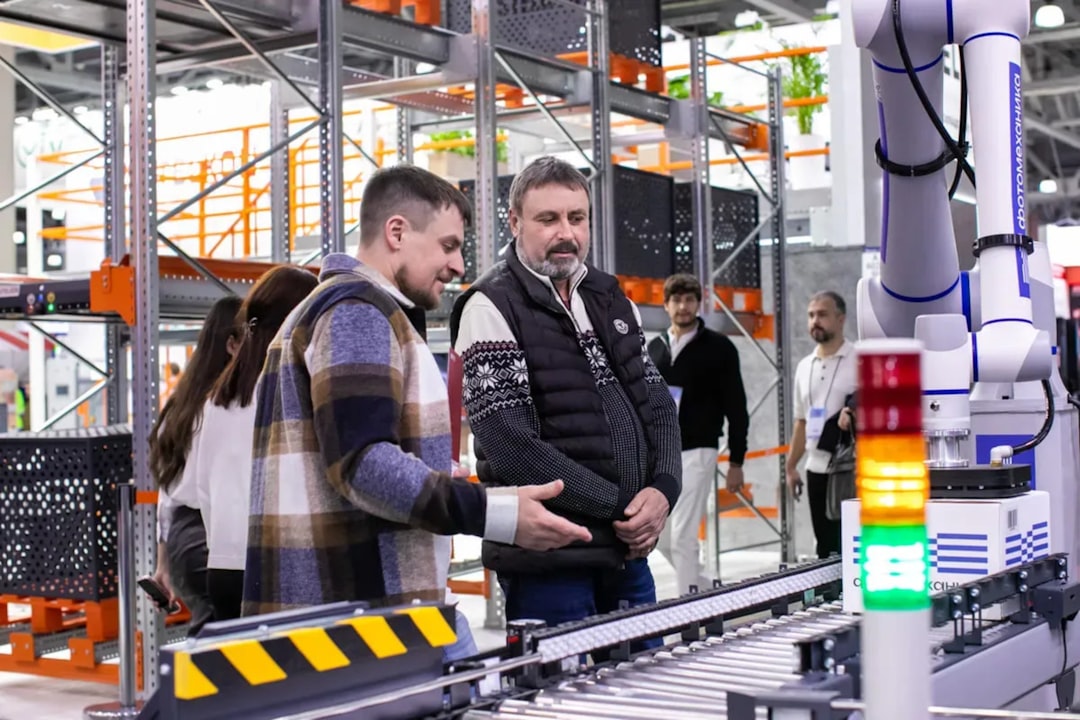
4. Smart Inventory & Supply Chain Visibility
Smart inventory management powered by IoT provides end-to-end supply chain visibility, reducing stockouts by up to 80% and cutting excess inventory carrying costs by 20–30%. For factory owners, this translates directly into improved cash flow, fewer production stoppages due to material shortages, and a leaner, more responsive operation.
In a traditional factory, inventory tracking is often fragmented — spreadsheets, periodic cycle counts, and disconnected ERP entries create a lagging, inaccurate picture of what's actually on hand. IoT transforms this by deploying a combination of RFID tags, BLE beacons, weight sensors, and smart shelving systems that continuously track raw materials, work-in-progress (WIP), and finished goods in real time. Every pallet, bin, and container becomes a data point in a live digital map of your inventory.
Key IoT applications for smart inventory and supply chain visibility include:
- RFID and barcode-based auto-identification: Automatically log material receipts, movements between workstations, and shipments without manual scanning, achieving 99.5%+ inventory accuracy compared to the industry average of 63% for manual tracking.
- Smart bins with weight sensors: IoT-connected bins monitor consumption of fasteners, components, and consumables in real time, triggering automatic reorder signals to suppliers when levels hit predefined thresholds — a digital kanban system.
- GPS and cellular tracking for inbound logistics: Track raw material shipments from supplier to dock in real time, enabling dynamic production scheduling based on actual arrival times rather than estimated lead times.
- Environmental condition monitoring: For factories handling sensitive materials (chemicals, food ingredients, pharmaceuticals), IoT sensors monitor temperature, humidity, and light exposure throughout the supply chain, ensuring compliance and reducing spoilage by up to 25%.
- WIP tracking across the shop floor: Know exactly where every batch or order stands in the production process, enabling accurate delivery promises and proactive customer communication.
The strategic value extends beyond the factory walls. When IoT inventory data is shared with key suppliers through secure cloud platforms, it creates a collaborative supply chain ecosystem. Suppliers gain visibility into your consumption patterns and can proactively adjust their production and logistics — a model known as Vendor Managed Inventory (VMI). According to Gartner, manufacturers with IoT-enabled supply chain visibility achieve 15% faster order fulfillment and 50% fewer expedited freight shipments, which alone can save hundreds of thousands of dollars annually for a mid-sized factory.
A concrete example: a consumer electronics assembler in Shenzhen integrated IoT-based inventory tracking with its ERP system and reduced its raw material buffer stock from 14 days to 5 days — freeing up $3.2 million in working capital while simultaneously reducing line stoppages caused by material shortages by 72%.
For factory owners preparing for 2026, the implementation roadmap is clear: start by digitizing your highest-value or most-disrupted material flows, integrate IoT data into your existing ERP or WMS platform, and progressively expand to cover the full material lifecycle from supplier dock to finished goods warehouse. The combination of smart inventory management with real-time production monitoring and automated quality inspection creates a fully connected smart factory where every physical flow has a digital counterpart — and every decision is informed by data, not guesswork.
5. Energy Management & Sustainability Monitoring
IoT-driven energy management is one of the highest-ROI applications in any smart factory, enabling manufacturers to cut energy costs by 10–30% within the first year of deployment. By deploying smart meters, current transformers, and environmental sensors across production lines, factory owners gain real-time visibility into exactly where, when, and how energy is consumed — transforming utility bills from opaque monthly expenses into actionable, granular data streams.
In 2026, energy costs remain one of the top three operating expenses for most manufacturing facilities, often accounting for 15–25% of total production costs in energy-intensive sectors like metals, chemicals, and plastics. Traditional energy audits provide only periodic snapshots, but IoT-enabled continuous monitoring captures consumption data every few seconds, revealing hidden inefficiencies such as phantom loads, poorly calibrated HVAC systems, compressed air leaks, and machines idling between production runs. According to the International Energy Agency, industrial energy waste globally exceeds $300 billion annually — a staggering figure that underscores the opportunity for smart factory automation to deliver measurable savings.
A comprehensive IoT energy management system typically includes the following capabilities:
- Real-time power monitoring at the machine, line, and plant level — tracking voltage, current, power factor, and harmonics to identify anomalies and waste patterns instantly.
- AI-powered demand forecasting that predicts peak consumption windows and automatically shifts non-critical loads (such as battery charging or auxiliary heating) to off-peak tariff periods, reducing demand charges by up to 20%.
- Sustainability dashboards and carbon tracking — automatically calculating Scope 1 and Scope 2 emissions based on real consumption data, helping factories meet ESG reporting requirements and comply with frameworks like ISO 50001 and the EU's Corporate Sustainability Reporting Directive (CSRD).
- Compressed air leak detection using ultrasonic IoT sensors, which can recover 25–30% of compressed air energy — one of the most wasted utilities in manufacturing.
- Integration with renewable energy sources such as rooftop solar and on-site battery storage, optimizing self-consumption ratios and reducing grid dependency.
A practical example: a mid-sized automotive parts manufacturer in Germany deployed IoT sub-meters on 120 machines and discovered that 38% of energy consumption occurred during non-production hours. By implementing automated shutdown sequences triggered by IoT occupancy and production schedule data, the plant reduced its annual electricity bill by €180,000 — paying back the entire sensor investment in under 11 months. For factory owners looking to start their sustainability journey, energy monitoring represents the ideal entry point: low complexity, fast payback, and immediate visibility into operational waste.
6. Connected Worker Safety & Environmental Monitoring
Connected worker safety powered by IoT sensors is transforming how smart factories protect their most valuable asset — their people. In 2026, IoT-enabled environmental and wearable monitoring systems can reduce workplace incidents by up to 50% and cut workers' compensation costs by 20–35%, according to data from the National Safety Council and early adopter case studies.
Traditional safety programs rely heavily on periodic inspections, manual checklists, and reactive incident reporting. IoT changes this paradigm entirely by creating a continuous, data-driven safety net that monitors both the worker and the environment in real time. Smart factories in 2026 are deploying a layered approach to connected safety that encompasses wearable devices, fixed environmental sensors, and AI-driven analytics platforms — all communicating through the same industrial IoT infrastructure that supports production automation.
Key IoT applications for worker safety and environmental monitoring include:
- Wearable biometric sensors — embedded in smart helmets, vests, or wristbands, these devices track heart rate, body temperature, fatigue indicators, and motion patterns. If a worker shows signs of heat stress or exhaustion, the system sends an immediate alert to both the worker and the shift supervisor, enabling proactive intervention before an incident occurs.
- Gas and air quality monitoring — IoT sensors continuously measure concentrations of volatile organic compounds (VOCs), carbon monoxide, particulate matter (PM2.5/PM10), and other hazardous substances. In chemical and pharmaceutical plants, these sensors can trigger automatic ventilation adjustments or evacuation alerts when thresholds are breached, often within seconds rather than the minutes required by traditional detection methods.
- Proximity and collision avoidance — ultra-wideband (UWB) or Bluetooth-based tags on workers and mobile equipment (forklifts, AGVs) create dynamic exclusion zones. When a worker enters a danger zone near heavy machinery or an active AGV path, both the worker's wearable and the machine receive alerts, and the equipment can automatically slow down or stop.
- Noise exposure monitoring — IoT dosimeters track cumulative noise exposure throughout a shift, ensuring compliance with OSHA's 85 dB time-weighted average limit and alerting workers before hearing damage thresholds are reached.
- Slip, trip, and fall detection — accelerometer-equipped wearables detect sudden impacts or unusual postures, automatically notifying emergency response teams and logging the exact location via indoor positioning systems.
The data collected from these systems feeds into centralized EHS (Environment, Health & Safety) dashboards that identify trends and high-risk zones over time. For example, a food processing plant in the U.S. Midwest used IoT environmental sensors to discover that ammonia micro-leaks in a specific cold storage area were 3x more frequent during third-shift operations — a pattern invisible to periodic manual checks. By addressing the root cause (aging valve seals stressed by temperature cycling), the plant eliminated the hazard entirely and avoided potential OSHA fines exceeding $150,000. For factory owners, investing in connected worker safety is not just an ethical imperative — it directly impacts insurance premiums, regulatory compliance, and employee retention in an increasingly competitive labor market.
7. Autonomous Material Handling & AGV Orchestration
Autonomous material handling using IoT-orchestrated AGVs (Automated Guided Vehicles) and AMRs (Autonomous Mobile Robots) is one of the fastest-growing smart factory automation applications, with the global AGV/AMR market projected to exceed $18 billion by 2027 according to LogisticsIQ. In a fully connected factory, IoT serves as the nervous system that coordinates fleets of autonomous vehicles, optimizing routes in real time and eliminating the bottlenecks inherent in manual material transport.
Manual material handling — forklifts, pallet jacks, hand carts — still accounts for a surprising share of factory floor activity. Studies show that up to 25% of total production time in discrete manufacturing is consumed by moving materials between stations, warehouses, and shipping docks. This non-value-added time represents a massive opportunity for IoT-driven automation. In 2026, the convergence of 5G private networks, LiDAR navigation, and cloud-based fleet management makes AGV/AMR deployment more accessible and cost-effective than ever — even for mid-sized factories with complex, dynamic layouts.
Here is how IoT orchestration elevates autonomous material handling beyond simple point-to-point transport:
- Dynamic route optimization — IoT sensors embedded in the factory floor, doorways, and intersections feed real-time occupancy and congestion data to a central fleet management system. The system recalculates optimal routes for each AGV/AMR every few seconds, avoiding traffic jams, prioritizing urgent deliveries, and adapting to unexpected obstacles like spilled materials or temporary maintenance zones.
- Mission prioritization and multi-robot coordination — when a predictive maintenance alert flags an imminent machine stoppage, the orchestration platform can automatically dispatch an AMR with replacement parts from the warehouse, reprioritizing lower-urgency transport tasks. This level of intelligent scheduling reduces machine downtime by ensuring critical materials arrive before they are needed.
- Seamless integration with WMS and MES — IoT-connected AGVs communicate directly with Warehouse Management Systems and Manufacturing Execution Systems, triggering pick-and-deliver missions automatically when inventory at a workstation drops below a defined threshold. This creates a true pull-based material flow that minimizes work-in-progress (WIP) inventory on the shop floor.
- Battery and health management — IoT sensors on each vehicle monitor battery state-of-charge, motor temperatures, wheel wear, and navigation sensor calibration. The fleet manager schedules autonomous charging during low-demand windows and flags vehicles for maintenance before a breakdown disrupts operations.
The results speak for themselves. A consumer electronics manufacturer in Shenzhen deployed a fleet of 45 IoT-orchestrated AMRs across a 50,000 m² facility and achieved a 40% reduction in material transport time, a 60% decrease in forklift-related safety incidents, and a labor reallocation that moved 12 full-time material handlers into higher-value quality assurance roles. The payback period was under 18 months. For factory owners evaluating this application, the key success factor is starting with a thorough facility mapping and workflow analysis — understanding your highest-volume material routes and peak transport windows ensures you right-size your fleet and maximize ROI from day one.
8. Digital Twin Integration for Process Optimization
Digital twin integration is one of the most transformative IoT applications in smart factories for 2026, enabling manufacturers to create virtual replicas of physical assets, production lines, and entire facilities. By mirroring real-world operations in a digital environment, factory owners can simulate process changes, identify bottlenecks, and optimize throughput before making costly modifications on the shop floor. According to McKinsey, manufacturers that deploy digital twins report a 10–20% improvement in throughput and up to 25% faster time-to-market for new products.
The foundation of a digital twin lies in continuous IoT sensor data. Temperature, vibration, pressure, flow rate, and cycle-time sensors feed real-time information into a cloud- or edge-based model that replicates the exact state of your physical equipment. Advanced platforms—such as Siemens Xcelerator, NVIDIA Omniverse, and Azure Digital Twins—combine this sensor data with physics-based simulations and AI/ML algorithms to deliver actionable recommendations. For example, an automotive OEM used a digital twin of its paint shop to reduce energy consumption by 18% simply by simulating airflow patterns and curing temperatures under different scenarios.
For factory owners evaluating this technology, here are the key capabilities a digital twin delivers:
- What-if scenario modeling: Test new production schedules, equipment configurations, or material substitutions virtually, eliminating trial-and-error on live lines.
- Root cause analysis: When quality defects or downtime events occur, replay the digital twin's historical data to pinpoint exactly when and where conditions deviated from optimal parameters.
- Predictive process optimization: Combine digital twin insights with predictive maintenance data to schedule interventions that maximize both asset lifespan and production output simultaneously.
- New product introduction (NPI) acceleration: Validate tooling changes, robot paths, and cycle times digitally, reducing physical commissioning time by up to 30%.
- Cross-functional collaboration: Engineering, operations, and maintenance teams can visualize the same real-time model, breaking down silos and aligning decision-making.
While the complexity and investment required for digital twin integration remain high—with typical ROI timelines of 12–24 months—the long-term competitive advantages are substantial. Start with a single critical production line as a pilot, validate measurable improvements, and then scale horizontally across your facility. As you progress toward the next item on this checklist—remote asset management and edge computing—you'll find that the data infrastructure built for digital twins directly accelerates multi-site visibility and decentralized decision-making.
9. Remote Asset Management & Edge Computing
Remote asset management powered by edge computing allows factory owners to monitor, control, and troubleshoot equipment across multiple sites without being physically present—a capability that has become essential as manufacturers scale operations globally. By processing critical IoT data at the edge (i.e., on-site gateways or industrial PCs) rather than routing everything to the cloud, smart factories achieve sub-10-millisecond latency for time-sensitive decisions while reducing cloud bandwidth costs by 40–60%, according to Gartner's 2025 Edge Computing Report.
The architecture is straightforward yet powerful. IoT sensors on machines transmit data to local edge nodes—ruggedized compute devices installed on the factory floor. These nodes run lightweight AI models that handle immediate tasks like anomaly detection, threshold alerts, and autonomous shutdowns. Only aggregated summaries, trend data, and exception reports are pushed to a centralized cloud platform where plant managers and corporate operations teams access unified dashboards. Platforms like AWS IoT Greengrass, Siemens Industrial Edge, and Cisco Edge Intelligence are leading this space in 2026.
Here's why remote asset management with edge computing belongs on every factory owner's checklist:
- Multi-site oversight from a single pane of glass: Monitor OEE, energy consumption, and equipment health across 5, 50, or 500 facilities in real time without deploying dedicated control-room staff at each location.
- Faster incident response: Edge-based alerts reach maintenance teams in under 2 seconds, compared to 15–30 seconds via cloud-only architectures—critical for preventing cascading failures.
- Operational continuity during connectivity loss: Edge nodes continue processing and storing data locally even when internet connectivity drops, ensuring zero data loss and uninterrupted automation.
- Reduced cybersecurity exposure: Sensitive production data stays on-premises at the edge, minimizing the attack surface compared to transmitting raw sensor streams to external cloud servers.
- Scalable deployment: Adding a new production line or facility requires only deploying additional edge nodes and registering them on the central platform—no major infrastructure overhaul needed.
- Step 1: Audit your current connectivity infrastructure—ensure each site has reliable local networking (industrial Ethernet or 5G private networks).
- Step 2: Select an edge platform compatible with your existing IoT sensor ecosystem and cloud provider.
- Step 3: Deploy edge nodes on your highest-value production lines first, configuring local AI models for the most impactful use cases (e.g., vibration anomaly detection).
- Step 4: Integrate edge data feeds into your centralized dashboard alongside digital twin and predictive maintenance modules for holistic visibility.
With a typical ROI timeline of just 3–9 months and medium implementation complexity, remote asset management via edge computing is one of the fastest-payback IoT investments available to factory owners in 2026. It also lays the critical groundwork for the final item on our checklist: IoT-enabled traceability and compliance logging.
10. IoT-Enabled Traceability & Compliance Logging
IoT-enabled traceability and compliance logging ensures that every material, component, and process step in your factory is automatically recorded, timestamped, and audit-ready—eliminating manual paperwork and the compliance gaps that lead to costly recalls and regulatory penalties. In regulated industries such as automotive (IATF 16949), pharmaceuticals (FDA 21 CFR Part 11), and food & beverage (FSMA), this IoT application is not optional—it's a business-critical requirement that can mean the difference between market access and shutdown orders.
The mechanics are elegant: RFID tags, barcode/QR scanners, vision systems, and environmental sensors capture data at every stage of production—from raw material receiving through final packaging and shipment. Each data point is linked to a unique batch or serial number and stored in a tamper-proof IoT data platform (increasingly leveraging blockchain-backed ledgers for immutability). According to a 2025 Deloitte study, manufacturers with automated traceability systems reduce recall-related costs by up to 50% and cut audit preparation time from weeks to hours.
Here are the core benefits that make IoT-enabled traceability a high-priority checklist item for 2026:
- End-to-end genealogy: Track every component back to its supplier, lot number, and incoming inspection results. If a defect surfaces in the field, identify all affected units within minutes instead of days.
- Real-time compliance dashboards: Continuously monitor critical control points (CCPs), environmental conditions (temperature, humidity), and process parameters against regulatory thresholds—with automatic alerts when deviations occur.
- Zero-paper audit readiness: Generate complete, timestamped compliance reports on demand. Auditors from ISO, FDA, or customer quality teams can access digital records instantly, accelerating audit cycles by 60–70%.
- Supplier accountability: Share traceability data upstream and downstream in your supply chain, creating transparency that strengthens supplier relationships and reduces incoming quality issues.
- Recall scope reduction: Precise lot-level traceability means recalls target only the specific affected batches—not entire production runs—saving millions in unnecessary waste and brand damage.
Implementation typically follows a phased approach. Start by digitizing your most regulated or highest-risk production lines, integrating IoT sensors with your existing MES (Manufacturing Execution System) or ERP. Ensure your data architecture supports ISA-95 standards for interoperability. With a typical ROI timeline of 6–12 months and medium complexity, this application delivers immediate value—especially when combined with the automated quality inspection and smart inventory management systems discussed earlier in this checklist.
The summary table below consolidates all ten IoT applications, their primary benefits, ROI timelines, and recommended priority levels to help you build a structured implementation roadmap for your smart factory in 2026:
| IoT Application | Primary Benefit | Typical ROI Timeline | Complexity | Priority (Checklist ✓) |
|---|---|---|---|---|
| Predictive Maintenance | Reduce unplanned downtime 30-50% | 6–12 months | Medium | ✅ High |
| Real-Time OEE Tracking | Boost OEE by 10-15% | 3–6 months | Low–Medium | ✅ High |
| Automated Quality Inspection | Cut scrap rates up to 40% | 9–18 months | Medium–High | ✅ High |
| Smart Inventory Management | Lower carrying costs 20-30% | 6–12 months | Medium | ✅ High |
| Energy Management | Reduce energy spend 10-25% | 8–14 months | Low | ✅ Medium |
| Worker Safety Monitoring | Reduce incidents 25-40% | 6–12 months | Low–Medium | ✅ Medium |
| AGV/AMR Orchestration | Cut material handling labor 50%+ | 12–24 months | High | ⬜ Evaluate |
| Digital Twin Integration | Optimize throughput 10-20% | 12–24 months | High | ⬜ Evaluate |
| Remote Asset Management | Enable multi-site oversight | 3–9 months | Medium | ✅ Medium |
| Traceability & Compliance | Audit-ready records, zero gaps | 6–12 months | Medium | ✅ High |
How to Prioritize: An IoT Implementation Roadmap for Factory Owners
Prioritizing IoT implementation in a smart factory starts with identifying your most costly operational pain point and building a phased roadmap around measurable ROI — not by deploying technology for technology's sake. According to McKinsey, factories that follow a structured IoT adoption roadmap are 2.5× more likely to scale successfully beyond the pilot stage compared to those that take an ad-hoc approach. For factory owners juggling limited budgets and production pressures, a disciplined, step-by-step strategy is the difference between transformational results and wasted capital.
The decision flowchart below captures the proven methodology used by leading manufacturers, but before you dive in, consider these foundational principles that should guide every phase of your IoT journey:
- Start with pain, not with tech: Rank your factory's top challenges — whether it's unplanned downtime, quality defects, energy waste, or worker safety incidents. A 2024 Deloitte survey found that 67% of failed IoT projects began with a technology push rather than a business-problem pull.
- Audit your existing infrastructure honestly: Map every PLC, SCADA system, network switch, and legacy machine on your floor. Knowing your connectivity gaps upfront prevents costly surprises. Factories with equipment older than 15 years typically need retrofit IoT gateways to bridge the analog-digital divide.
- Budget for iteration, not perfection: Allocate 15–20% of your pilot budget specifically for sensor recalibration, threshold tuning, and model retraining. First-pass accuracy in predictive models rarely exceeds 70% — the real value emerges after two to three optimization cycles.
- Define success metrics before you install a single sensor: Whether it's a 10% reduction in downtime, a 5% improvement in OEE, or $100K in annual energy savings, concrete KPIs keep stakeholders aligned and justify the next phase of investment.
- Pilot small, scale fast: Best practice is to run a focused pilot on 1–2 machines over a 4–8 week window. This minimizes disruption while generating the hard data you need to build a compelling business case for plant-wide rollout.
The flowchart that follows visualizes this exact decision process. Use it as a living document — revisit it each quarter as you move from your first use case (e.g., predictive maintenance) to the next (e.g., energy optimization or automated quality inspection). Factories that treat IoT as a continuous improvement cycle rather than a one-time project report an average of 30% higher cumulative ROI over three years, according to IoT Analytics' 2025 Smart Manufacturing Report.
- Identify Top Pain Point (Downtime, Quality, Energy, Safety)
- Assess Existing Infrastructure & Connectivity
- Legacy Systems Need Integration?
- Deploy Retrofit IoT Gateways & Edge Devices
- Select Cloud/On-Prem IoT Platform
- Run Pilot on 1–2 Machines (4–8 Weeks)
- Measurable ROI Achieved?
- Scale to Full Production Line
- Iterate: Adjust Sensors, Thresholds & Models
- Continuous Improvement & Next Use Case
Common Pitfalls: What Factory Owners Get Wrong with IoT
The most common IoT pitfall for factory owners isn't choosing the wrong sensor — it's skipping strategic planning and treating IoT as a plug-and-play solution. Research from Cisco shows that 75% of industrial IoT projects fail at the proof-of-concept stage, and the root causes are almost always organizational, not technical. Understanding these mistakes before you invest will save you hundreds of thousands of dollars and months of lost productivity.
Here are the critical mistakes that factory owners repeatedly make when deploying IoT in smart factory environments:
- Deploying too many use cases simultaneously: Ambitious factory owners often try to tackle predictive maintenance, energy monitoring, quality control, and asset tracking all at once. This fragments resources, overwhelms IT teams, and produces shallow results across the board. Best practice: master one use case, prove ROI, then expand.
- Ignoring data quality and governance: Sensors generate massive volumes of data — a single vibration sensor can produce 500 MB per day. Without a clear data governance framework, factories end up drowning in noise rather than extracting actionable insights. Establish naming conventions, retention policies, and data ownership from day one.
- Underestimating network requirements: Many factory floors were designed for isolated machine operation, not continuous data streaming. Deploying 200+ IoT sensors on a flat, unsegmented network creates bottlenecks and catastrophic security vulnerabilities. Invest in industrial-grade Wi-Fi 6, 5G private networks, or LoRaWAN depending on your latency and bandwidth needs.
- Neglecting change management: A 2025 PwC study found that 42% of factory IoT failures were attributed to workforce resistance, not technology shortcomings. Operators who feel replaced by sensors will sabotage adoption — consciously or not. Involve floor-level staff early, provide hands-on training, and frame IoT as a tool that empowers them rather than replaces them.
- Choosing a platform based on features, not interoperability: Vendor lock-in is a real and expensive trap. Ensure your IoT platform supports open protocols like MQTT, OPC-UA, and REST APIs so you can integrate future devices and third-party analytics tools without ripping out your infrastructure.
- Failing to plan for cybersecurity from the start: Every connected sensor, gateway, and edge device expands your attack surface. The average cost of an industrial cyberattack reached $4.7 million in 2024 (IBM Security). Yet many factory owners bolt on security as an afterthought — or worse, ignore it entirely during pilots.
The good news? Every one of these pitfalls is entirely preventable with upfront planning. Before you purchase a single device, document your use-case priority, network architecture, data strategy, training plan, and security requirements. Factories that invest 10–15% of their total IoT budget in planning and change management consistently outperform those that rush straight to hardware procurement. As the security callout below emphasizes, getting the fundamentals right — especially cybersecurity — is non-negotiable in 2026's increasingly connected manufacturing landscape.
Real-World Impact: IoT Success Stories from the Factory Floor
Real-world IoT deployments in smart factories are delivering measurable, bottom-line results — from double-digit reductions in unplanned downtime to millions of dollars in annual energy savings. These aren't theoretical projections; they are documented outcomes from factories that followed a disciplined implementation approach. For factory owners still evaluating whether IoT justifies the investment, the evidence from the factory floor in 2025–2026 is overwhelmingly compelling.
Consider these verified success stories across different manufacturing verticals:
- Automotive — Predictive Maintenance: A Tier-1 automotive supplier in Germany deployed vibration and thermal sensors on 48 stamping presses. Within six months, their unplanned downtime dropped by 41%, translating to an estimated €1.2 million in saved production losses annually. The system's machine-learning models now predict bearing failures an average of 11 days before they occur.
- Food & Beverage — Quality & Compliance: A mid-size dairy processor in Wisconsin implemented IoT-based temperature and humidity monitoring across 14 cold-storage zones. The result: zero compliance violations over 18 months (down from 7 per year) and a 23% reduction in product spoilage, saving approximately $310,000 annually. Automated alerts replaced manual spot-checks, freeing up 12 labor hours per week.
- Electronics — Energy Optimization: A PCB manufacturer in Shenzhen used smart power meters and AI-driven scheduling to shift energy-intensive processes to off-peak hours. Their electricity costs fell by 18% ($540,000/year), and their carbon footprint decreased by an estimated 320 metric tons of CO₂ — a key factor in securing new contracts with ESG-conscious OEM customers.
- Pharmaceuticals — Asset Tracking & Utilization: A contract manufacturer in Ireland attached RFID and BLE tags to 600+ mobile assets (carts, containers, calibration tools). Equipment search time dropped from an average of 22 minutes to under 3 minutes, and overall asset utilization improved by 27%, eliminating the need to purchase $180,000 worth of duplicate equipment.
What ties these success stories together is a common pattern: each factory started with a single, well-defined use case, ran a focused pilot, measured results against pre-set KPIs, and only then scaled across the operation. None of them attempted a full digital transformation overnight. As the quote below from a VP of Operations illustrates, even a modest starting point — just 12 machines — can generate six-figure savings and fundamentally shift how a factory views IoT-driven automation. The lesson for factory owners in 2026 is clear: the risk of not adopting IoT now far outweighs the risk of starting small.
We started with predictive maintenance on just 12 CNC machines. Within nine months, unplanned downtime dropped 38% and we saved over $420,000 in emergency repair costs. IoT isn't a science project anymore — it's the most practical investment a factory owner can make.
— Sarah Chen, VP of Operations, Precision Machining Corp.
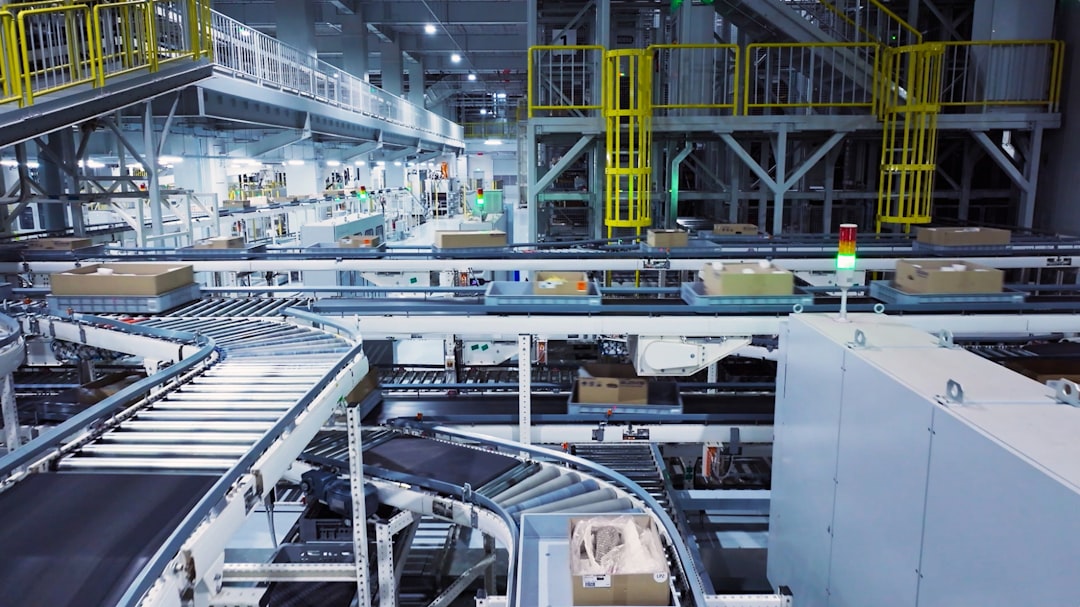
IoT Smart Factory Technology Stack: What You Actually Need
The IoT smart factory technology stack is the layered architecture of hardware, software, and protocols that transforms raw sensor data into actionable manufacturing intelligence. For factory owners planning deployments in 2026, understanding this stack is critical — because choosing the wrong components at any layer can create costly bottlenecks, security gaps, or integration failures that undermine your entire smart factory investment.
At the foundation sits the sensor and edge device layer. This is where physical-world data is captured. Modern smart factories deploy an average of 5,000 to 50,000 sensors depending on facility size, according to IoT Analytics' 2025 benchmarks. These include vibration sensors for predictive maintenance on rotating equipment, temperature and humidity probes for process and environmental control, machine vision systems for real-time quality inspection, and RFID/barcode readers for asset tracking and work-in-progress visibility. The cost of industrial-grade sensors has dropped roughly 40% since 2020, making large-scale deployments increasingly accessible to mid-size manufacturers.
The connectivity layer is where many projects succeed or fail. Reliable, low-latency communication is non-negotiable in factory environments plagued by electromagnetic interference and physical obstructions. Here are the leading connectivity options factory owners should evaluate:
- Industrial Wi-Fi 6E — delivers throughput up to 9.6 Gbps with reduced latency, ideal for dense device environments and AGV coordination.
- 5G private networks — offer ultra-reliable low-latency communication (URLLC) below 5 ms, critical for real-time robotics and safety-critical applications. Gartner projects that 35% of large manufacturers will operate private 5G networks by the end of 2026.
- MQTT and OPC-UA protocols — the de facto standards for machine-to-cloud and machine-to-machine messaging, providing lightweight publish-subscribe communication and interoperable data modeling respectively.
Above connectivity, the platform and analytics layer is where data becomes insight. Cloud IoT platforms like AWS IoT Core, Azure IoT Hub, and Google Cloud IoT provide device management, data ingestion, and scalable storage. However, the trend for 2026 is a hybrid edge-cloud architecture: edge computing gateways process time-sensitive data locally — reducing cloud bandwidth costs by up to 60% — while the cloud handles historical analytics, model training, and cross-plant benchmarking. AI/ML anomaly detection engines running at the edge can identify equipment deviations within milliseconds, enabling predictive maintenance responses before failures cascade.
Finally, the integration layer ties your IoT ecosystem to existing operational systems. Without it, sensor data remains siloed and underutilized. Key components include:
- MES/ERP connectors — synchronize production orders, quality records, and inventory data between IoT platforms and systems like SAP, Oracle, or Siemens Opcenter.
- Digital twin engines — create virtual replicas of production lines for simulation, scenario planning, and continuous optimization. McKinsey reports that digital twins can improve throughput by 10–20% when paired with real-time IoT feeds.
- SCADA and PLC bridges — ensure legacy automation equipment communicates with modern IoT infrastructure, protecting brownfield investments while enabling incremental modernization.
The mindmap below provides a visual overview of this complete technology stack. When evaluating vendors and solutions, use it as a reference to ensure no layer is overlooked — because the strength of your IoT smart factory is only as robust as its weakest architectural tier.
- IoT Smart Factory Stack
- Sensors & Edge Devices
- Vibration Sensors
- Temperature & Humidity
- Vision Systems (Cameras)
- RFID & Barcode Readers
- Connectivity
- Industrial Wi-Fi 6E
- 5G Private Networks
- MQTT / OPC-UA Protocols
- Platform & Analytics
- Cloud IoT Platforms (AWS IoT, Azure IoT)
- Edge Computing Gateways
- AI/ML Anomaly Detection
- Integration Layer
- MES / ERP Connectors
- Digital Twin Engines
- SCADA & PLC Bridges
Frequently Asked Questions About IoT in Smart Factories
- What is the average cost of implementing IoT in a factory?
- A small-scale IoT pilot (10–20 sensors with edge gateway and cloud platform) typically costs between $15,000 and $50,000. Full-scale deployments across an entire production facility range from $200,000 to $2 million+, depending on the number of assets, connectivity infrastructure, and analytics requirements. Most factories see positive ROI within 6–18 months.
- Can IoT be deployed on legacy equipment that wasn't designed for connectivity?
- Yes. Retrofit IoT sensors and industrial gateways can be attached to virtually any machine regardless of age. Protocols like OPC-UA and MQTT allow legacy PLCs and SCADA systems to communicate with modern IoT platforms. Many vendors offer non-invasive clamp-on sensors that require zero modifications to existing equipment.
- What is the biggest risk of IoT in manufacturing?
- Cybersecurity is the most significant risk. Every connected device expands the attack surface. Factory owners must implement network segmentation, encrypted data transmission, regular firmware updates, and access control policies. A compromised IoT sensor can become an entry point to critical operational technology (OT) networks.
- How does IoT differ from Industry 4.0 and smart manufacturing?
- IoT (Internet of Things) is the foundational connectivity layer — the sensors, devices, and networks that collect and transmit data. Smart manufacturing and Industry 4.0 are broader concepts that encompass IoT along with AI, digital twins, cloud computing, and advanced robotics. Think of IoT as the nervous system of the smart factory.
- Which IoT application should a factory owner implement first?
- For most factories, real-time production monitoring or predictive maintenance offers the fastest ROI with the lowest complexity. Start by instrumenting your most critical or bottleneck machines, measure OEE improvements, and use the data to build the business case for expanding to additional use cases like quality inspection or energy management.
- Do I need 5G for factory IoT, or is Wi-Fi sufficient?
- For most applications, industrial-grade Wi-Fi 6E is sufficient and more cost-effective. 5G private networks become valuable when you need ultra-low latency (under 10ms) for real-time control, support hundreds of mobile AGVs, or cover very large outdoor areas. Evaluate your specific latency and density requirements before investing in 5G infrastructure.
Your Next Step: Turn This Checklist into Action
Turning this IoT smart factory checklist into action starts with a single, focused decision: identify the one production pain point that costs you the most money today, and deploy your first IoT application there. Factory owners who try to implement everything simultaneously face a 70% higher risk of project stagnation, according to a 2025 Bain & Company manufacturing digitization study. The most successful smart factory transformations follow a disciplined crawl-walk-run methodology.
Here is a practical step-by-step action plan to move from checklist to execution:
- Audit your current state — Map existing equipment, data sources, and connectivity infrastructure. Identify which machines lack digital interfaces and which already generate usable data. This baseline assessment typically takes 2–4 weeks for a mid-size facility.
- Prioritize by ROI — Score each IoT application on this checklist using two criteria: implementation complexity and estimated annual savings. Applications like predictive maintenance and energy monitoring consistently deliver the fastest payback — often under 12 months.
- Launch a pilot on one production line — Deploy 50–100 sensors, connect them to an edge gateway, and integrate with your existing MES or ERP. Set clear KPIs: unplanned downtime reduction, defect rate improvement, energy cost savings. A focused pilot typically costs between $25,000 and $75,000 depending on scope.
- Measure relentlessly for 90 days — Collect baseline vs. post-deployment metrics. Factories that rigorously measure pilot results are 3x more likely to secure executive buy-in for full-scale rollout.
- Scale what works — Replicate successful pilots across additional lines, shifts, and facilities. Use standardized IoT architecture templates and vendor frameworks to accelerate deployment from months to weeks.
- Build internal capability — Invest in upskilling your maintenance technicians, process engineers, and IT staff. The skills gap remains the number-one barrier to smart factory scaling, with 57% of manufacturers citing talent shortages as their primary constraint (Deloitte, 2025).
Remember that IoT in smart factories is not a one-time project — it's an ongoing operational capability. The factories leading in 2026 will be those that treat their IoT infrastructure like a living system: continuously adding sensors, refining algorithms, and expanding automation use cases as technology matures and costs decline. Industry leaders like Siemens, Bosch, and Foxconn report that their most productive plants run continuous improvement cycles every 2–4 weeks on their IoT data pipelines.
Your competitive advantage doesn't come from having the most sensors — it comes from acting on the data fastest. Download this checklist, share it with your operations and IT teams, and commit to launching your first pilot within the next 30 days. The cost of waiting another year isn't just missed efficiency gains — it's market share lost to competitors who are already building their smart factory future today.