
In today's rapidly evolving industrial landscape, robust and insightful dashboards are no longer a luxury but a necessity for competitive advantage. The top 10 dashboard tools for industry empower organizations to navigate the complexities of modern operations, providing real-time visibility into performance, production, and resource utilization. These powerful platforms are instrumental in the ongoing digital transformation, converting raw data from IoT sensors, ERP systems, and SCADA into actionable intelligence. By centralizing critical KPIs and operational metrics, industrial dashboards enable faster, more informed decision-making, optimizing everything from supply chain efficiency to predictive maintenance strategies.
The Imperative of Industrial Dashboards in Digital Transformation
Industrial dashboards are at the heart of digital transformation, acting as the visual command centers that aggregate, analyze, and present complex operational data in an understandable format. They bridge the gap between vast data lakes and actionable insights, making information accessible to everyone from plant managers to C-suite executives. In the context of Industry 4.0, where interconnected systems and real-time data flow are paramount, these dashboards are crucial for monitoring production lines, managing assets, and ensuring quality control. They facilitate the shift from reactive problem-solving to proactive optimization, allowing businesses to identify trends, predict failures, and allocate resources more effectively.
Moreover, the integration of cloud computing with industrial dashboards has revolutionized data accessibility and scalability. Cloud-based solutions allow for remote monitoring, secure data storage, and seamless collaboration across geographically dispersed teams. This flexibility is vital for global enterprises and supports agile decision-making regardless of location. The ability to quickly deploy and scale these dashboard solutions without significant on-premise infrastructure investments further accelerates the digital transformation journey for many industrial companies in 2026.
- Improved Operational Efficiency
- 25-30 %
- Reduction in Downtime
- 15-20 %
- Faster Decision-Making
- 50 %
- Enhanced Data Accuracy
- 90 %
Key Features Defining a Top Industrial Dashboard Tool
Selecting the right dashboard tool for industrial applications requires a deep understanding of specific operational needs and technological capabilities. A truly effective industrial dashboard tool goes beyond mere data visualization; it offers a comprehensive suite of features designed for the unique demands of manufacturing, logistics, and resource management. Here are the critical features to consider:
- Real-time Data Integration: The ability to connect with diverse data sources like SCADA, MES, ERP, IoT sensors, and PLCs in real time is paramount. This ensures that the insights presented are always current and relevant.
- Customizable Visualizations: Industrial processes vary widely. Top tools offer flexible, customizable widgets, charts, and graphs that can be tailored to specific KPIs, production lines, or operational segments.
- Scalability and Performance: As data volumes grow exponentially, the tool must be able to handle massive datasets without compromising performance, ensuring quick loading times and responsiveness.
- Robust Security Features: Given the sensitive nature of industrial data, advanced security protocols, role-based access control, and compliance with industry standards (e.g., ISA/IEC 62443) are non-negotiable.
- Alerts and Notifications: Proactive alerts for anomalies, deviations from thresholds, or critical events enable immediate action, minimizing downtime and mitigating risks.
- Mobile Accessibility: Operators and managers need access to critical data on the go. Mobile-responsive dashboards or dedicated apps provide flexibility and ensure continuous monitoring.
- AI and Machine Learning Capabilities: Integration of artificial intelligence for predictive analytics, anomaly detection, and prescriptive recommendations elevates a dashboard from descriptive to truly intelligent. This is a game-changer for predictive maintenance and operational forecasting.
- User-Friendly Interface: Despite the complexity of underlying data, the interface must be intuitive and easy for non-technical users to navigate, fostering broader adoption and data literacy.
- Integration with Other Systems: Seamless integration with existing enterprise systems (e.g., CMMS, EAM, WMS) avoids data silos and creates a unified operational view. For example, integrating with i40Pilot for data analysis can significantly enhance dashboard insights.
- Data Governance and Audit Trails: Features for data quality management, lineage tracking, and audit trails are essential for compliance and ensuring data trustworthiness.
These features collectively ensure that an industrial dashboard tool not only presents data but transforms it into a powerful asset for operational excellence and strategic growth.
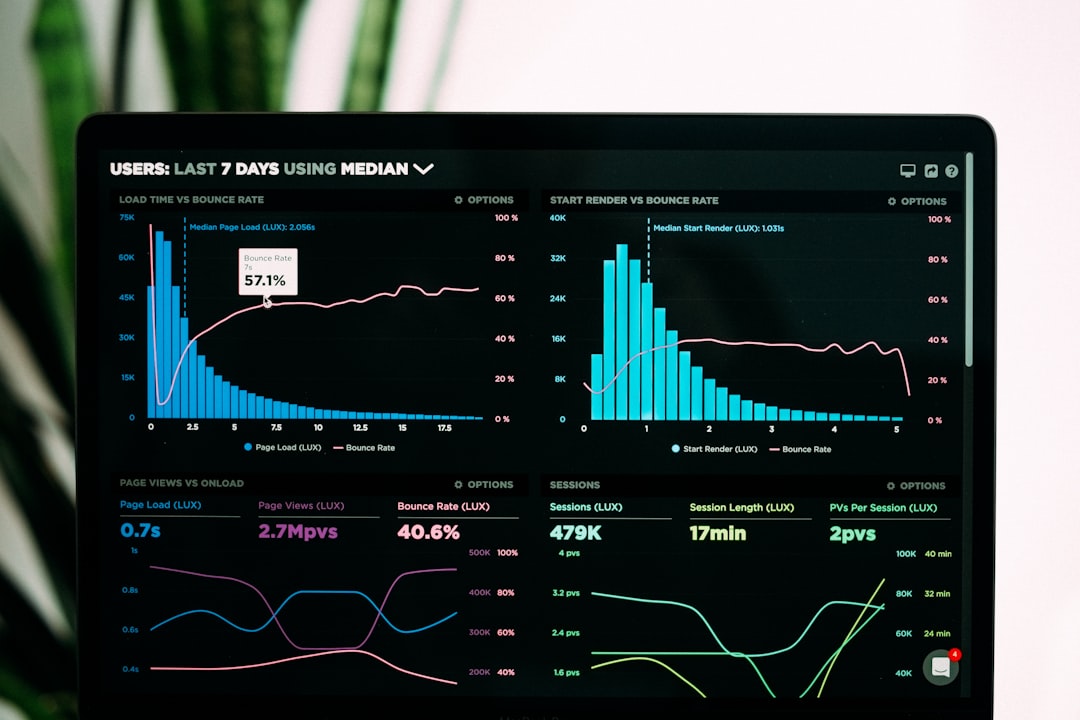
Top 10 Dashboard Tools for Industrial Operations in 2026
In 2026, the market for industrial dashboard tools is rich with innovative solutions, each offering unique strengths tailored to different operational scales and complexities. Here's a curated list of the top 10 tools that are making a significant impact on industrial digital transformation:
1. Tableau
Tableau is renowned for its powerful data visualization capabilities and ease of use, making it a favorite for business intelligence across various sectors, including industry. Its drag-and-drop interface allows users to quickly create interactive dashboards from complex industrial datasets, including manufacturing KPIs, supply chain metrics, and quality control data. Tableau's ability to connect to a vast array of data sources, from SQL databases to cloud data warehouses and even some industrial historians, makes it highly versatile. It excels in enabling users to explore data deeply, uncover hidden patterns, and share insights across the organization. For industrial applications, Tableau can be used to monitor production line performance, analyze equipment effectiveness, and track inventory levels with dynamic, real-time dashboards.
2. Microsoft Power BI
Microsoft Power BI stands out for its seamless integration with the Microsoft ecosystem, offering a cost-effective and powerful solution for data visualization and reporting. It allows industrial companies to consolidate data from various sources, including ERP systems (like Dynamics 365), IoT platforms (like Azure IoT Hub), and other operational databases, into rich, interactive dashboards. Power BI's capabilities extend to advanced analytics, often leveraging artificial intelligence features within Azure for predictive modeling and anomaly detection. Its cloud-based nature ensures scalability and accessibility, making it an excellent choice for businesses already invested in Microsoft technologies looking to enhance their data analytics for manufacturing excellence.
3. Ignition by Inductive Automation
Ignition is a unique and highly versatile industrial application platform that offers SCADA, MES, and IIoT functionalities, including robust dashboarding capabilities. It's built on open standards, allowing for unparalleled connectivity to virtually any PLC, database, or device. Ignition's modular design means industrial users can build highly customized dashboards for real-time monitoring of machine performance, process control, energy management, and overall equipment effectiveness (OEE). Its web-based deployment makes dashboards accessible from any device, anywhere, which is critical for modern, distributed industrial operations. Ignition is particularly favored in heavy manufacturing, utilities, and process industries for its reliability and extensibility.
4. AVEVA PI System
The AVEVA PI System is a leading real-time data infrastructure that collects, stores, and manages vast amounts of operational data from industrial sensors and control systems. While not solely a dashboard tool, its visualization components like PI Vision enable users to create dynamic, web-based dashboards and displays that provide immediate insights into process health, equipment performance, and quality metrics. It's especially powerful for industries with continuous processes, such as oil and gas, power generation, and pharmaceuticals, where high-fidelity, time-series data is critical for operational intelligence and historical analysis. The PI System ensures data integrity and provides the foundation for advanced analytics and machine learning applications.
5. Qlik Sense
Qlik Sense differentiates itself with its associative data model, which allows users to explore data freely and discover insights without the limitations of query-based tools. For industrial users, this means they can quickly identify correlations between seemingly unrelated operational parameters, such as raw material quality and final product defects, or machine vibration and maintenance needs. Its self-service capabilities empower engineers and analysts to build their own interactive dashboards, fostering a data-driven culture. Qlik Sense provides robust connectivity to various industrial data sources and offers strong governance features, making it suitable for large-scale industrial deployments that require both flexibility and control.
6. PTC ThingWorx
PTC ThingWorx is an industrial IoT platform specifically designed for connecting, building, and deploying industrial applications, including powerful dashboards. It provides a comprehensive set of tools for rapid application development, allowing users to create custom visualizations and dashboards for monitoring connected products, assets, and processes. ThingWorx excels in integrating with CAD, PLM, and MES systems, offering a holistic view of product lifecycle and operational performance. Its strengths lie in enabling predictive maintenance, remote monitoring, and augmented reality (AR) experiences that can overlay dashboard data directly onto physical assets, enhancing operational efficiency and technician effectiveness.
7. Siemens WinCC Unified
Siemens WinCC Unified is part of the TIA Portal ecosystem, offering a highly integrated solution for HMI, SCADA, and industrial visualization. It provides a modern, web-based platform for creating dashboards that monitor and control production processes. WinCC Unified leverages open standards and web technologies, making its dashboards accessible via web browsers on various devices, including mobile. It's particularly strong for Siemens-centric industrial environments, offering deep integration with Siemens PLCs and other automation components. The platform supports advanced graphics, alarm management, and historical data logging, providing operators with a comprehensive view of their industrial processes.
8. GE Digital Predix
GE Digital Predix is a powerful platform for the Industrial Internet of Things (IIoT), designed to connect industrial assets, collect data, and provide analytical insights. Its dashboarding capabilities are integral to its offering, allowing users to visualize asset performance, operational efficiency, and maintenance needs. Predix leverages advanced analytics and machine learning to offer predictive insights, which is crucial for asset-intensive industries like aviation, power generation, and oil and gas. Its focus on big data and industrial-scale analytics makes it suitable for complex operational environments that require deep diagnostic and prognostic capabilities.
9. Rockwell FactoryTalk View
Rockwell Automation's FactoryTalk View provides HMI and SCADA visualization solutions widely used in discrete manufacturing and process industries. It allows for the creation of operator interfaces and dashboards that provide real-time control and monitoring of industrial processes. While traditionally more focused on control room operations, FactoryTalk View's modern iterations offer enhanced data integration and web-based access, enabling broader dashboarding capabilities. It's particularly strong for companies utilizing Rockwell's Logix controllers and other Allen-Bradley equipment, offering tight integration and a consistent user experience across the automation stack.
10. Looker (Google Cloud)
Looker, now part of Google Cloud, is a modern data platform that provides powerful business intelligence and data exploration capabilities. Its unique LookML modeling language allows for consistent data definitions across the organization, ensuring that everyone is working with the same trusted data. For industrial applications, Looker can connect to various data warehouses and databases to build sophisticated dashboards for operational analytics, supply chain optimization, and financial performance tracking. Its cloud-native architecture provides scalability and flexibility, and its strong emphasis on data governance makes it an excellent choice for enterprises seeking a robust, future-proof dashboarding solution within the cloud computing ecosystem.
The true power of digital transformation in industry lies in making data accessible and actionable at every level. Dashboards are the lens through which we turn raw operational signals into strategic decisions.
— Dr. Elena Petrova, Head of Industrial IoT Research, TechInnovate Institute
Leveraging AI and Cloud Computing in Industrial Dashboards
The convergence of artificial intelligence and cloud computing is fundamentally reshaping the capabilities of industrial dashboards. Cloud platforms provide the scalable infrastructure needed to store and process the massive volumes of data generated by industrial IoT devices, while AI algorithms analyze this data to uncover insights that human analysts might miss. For instance, AI-powered dashboards can predict equipment failures by analyzing vibration patterns, temperature fluctuations, and historical maintenance logs, enabling truly predictive maintenance strategies. This shifts operations from reactive repairs to proactive interventions, significantly reducing downtime and maintenance costs.
Furthermore, AI can automate routine data analysis tasks, generate natural language summaries of complex data, and even suggest optimal operational parameters. Imagine a dashboard that not only shows current production rates but also recommends adjustments to machine settings to maximize throughput or minimize energy consumption based on real-time and historical data. Cloud computing facilitates the deployment of these AI models at scale, making advanced analytics accessible to even small and medium-sized industrial enterprises. The synergy between AI and cloud computing is pushing industrial dashboards beyond mere visualization, transforming them into intelligent advisory systems that are central to the future of the industry.
Integrating Dashboards with HR and Skill Management
While often seen as purely operational tools, industrial dashboards also play a vital role in human resource management and skill development within the modern industry. By integrating operational data with HR systems, companies can gain insights into workforce performance, training needs, and the impact of human factors on production. For example, dashboards can display metrics related to operator efficiency, safety incidents, and adherence to standard operating procedures, allowing managers to identify areas where additional training or skill development might be necessary. This data-driven approach to gestion des compétences (skill management) ensures that the workforce evolves in parallel with technological advancements.
Moreover, dashboards can help monitor the deployment of personnel across different shifts and production lines, optimizing resource allocation based on real-time operational demands. For instance, if a specific machine requires specialized expertise for maintenance, a dashboard could highlight the availability of certified technicians. This integration fosters a proactive approach to deploying HR & skills for organizational transformation, ensuring that the right talent is available at the right time. Ultimately, bridging the gap between operational performance and human capital data through integrated dashboards enhances overall organizational resilience and productivity in the industrial sector.
- Effective Industrial Dashboard
- Real-time Data Integration
- Relevant KPIs & Metrics
- Intuitive User Experience
- Advanced Analytics (AI/ML)
- Robust Security
- Scalability & Performance
- Proactive Alerts & Notifications
- Mobile Accessibility
- Diverse Data Sources (SCADA, ERP, IoT)
- OEE, Throughput, Quality
- Predictive Maintenance
- Process Optimization
Implementing Industrial Dashboards: Best Practices for Success
Implementing industrial dashboards effectively requires more than just selecting the right tool; it involves a strategic approach to data management, user adoption, and continuous improvement. Here are some best practices to ensure your dashboard initiative drives tangible value:
- Define Clear Objectives and KPIs: Before building any dashboard, clearly articulate what problems you're trying to solve and which key performance indicators (KPIs) are most critical to monitor. Avoid information overload by focusing on truly actionable metrics.
- Start Small, Scale Big: Begin with a pilot project in a specific area or department to demonstrate value and gather user feedback. This iterative approach allows for adjustments before a full-scale rollout.
- Involve End-Users from the Start: Engage plant operators, production managers, and other stakeholders in the design process. Their input is invaluable for creating dashboards that are intuitive, relevant, and truly useful for their daily tasks.
- Ensure Data Quality and Governance: The accuracy of your dashboards is directly dependent on the quality of your underlying data. Implement robust data governance policies and ensure data sources are reliable and consistently updated.
- Provide Adequate Training and Support: Even the most user-friendly tool requires training. Offer comprehensive training programs and ongoing support to ensure users can leverage the dashboards to their full potential.
- Focus on Actionable Insights: Dashboards should not just display data; they should inspire action. Design them to highlight trends, deviations, and opportunities, prompting users to investigate further or make immediate decisions.
- Regularly Review and Refine: Industrial operations are dynamic. Regularly review your dashboards with stakeholders to ensure they remain relevant, updating KPIs and visualizations as operational priorities change.
- Prioritize Security: Implement strong access controls and adhere to cybersecurity best practices, especially when integrating with sensitive operational technology (OT) systems.
By following these best practices, organizations can transform their data into a powerful strategic asset, making industrial dashboards a cornerstone of their digital transformation efforts.
- What is an industrial dashboard tool?
- An industrial dashboard tool is a software platform designed to collect, aggregate, visualize, and analyze data from various industrial sources (e.g., SCADA, MES, ERP, IoT sensors) in real time. It presents critical operational KPIs and metrics through interactive charts and graphs, enabling informed decision-making and operational optimization in manufacturing, energy, and other industrial sectors.
- How do industrial dashboards support digital transformation?
- Industrial dashboards are central to digital transformation by providing real-time visibility into complex operations. They convert raw data into actionable insights, facilitating proactive decision-making, optimizing resource allocation, enabling predictive maintenance, and fostering a data-driven culture. This shift from reactive to proactive management is a cornerstone of Industry 4.0.
- What role does AI play in industrial dashboards?
- Artificial Intelligence (AI) enhances industrial dashboards by enabling advanced analytics, such as predictive maintenance, anomaly detection, and prescriptive recommendations. AI algorithms can analyze vast datasets to forecast equipment failures, optimize production parameters, and identify inefficiencies that traditional dashboards might miss, transforming them into intelligent advisory systems.
- Why is cloud computing important for industrial dashboards?
- Cloud computing provides the scalable, flexible, and secure infrastructure necessary for modern industrial dashboards. It allows for remote access, centralized data storage, and the processing of massive volumes of IoT data. Cloud-based dashboards offer greater accessibility, reduce IT overheads, and facilitate collaboration across distributed teams, accelerating digital transformation initiatives.
- Can industrial dashboards integrate with HR and skill management systems?
- Yes, modern industrial dashboards can integrate with HR and skill management systems to provide a holistic view of operational and human capital performance. This integration helps monitor workforce efficiency, identify training needs, optimize personnel deployment based on real-time operational demands, and ensure the right skills are available for critical tasks, supporting effective talent management in industry.
- What are the key benefits of using industrial dashboards?
- The key benefits of using industrial dashboards include improved operational efficiency, reduced downtime through predictive maintenance, faster and more informed decision-making, enhanced data accuracy, better resource utilization, and increased overall productivity. They also foster a culture of continuous improvement by making performance data transparent and accessible.